Backendz Neural
Models that leave the notebook and stay accurate in production.
A dedicated AI & ML team that ships models to production
Machine learning engineers, data engineers and MLOps in one squad. They take a model from labelled data to a monitored service your systems call, and they keep it accurate after launch.
- Vetted in four stages
- In place within days
- Your codebase, your tools, your standups
- Code and IP transferred to you
- One UK company accountable
Step through a model's life
Every stage is work this team owns. Pick one, or roll a model out and watch for drift.
Records from your systems; filled ones are labelled examples.
Stage 1 of 6 · Data engineer
Data
Pulls history out of your systems, cleans it and sets up labelling where the model needs examples.
- Pipelines
- Labelling
- SQL
- Python
Playing through the stages. Pick one to take over.
Data stage. Pulls history out of your systems, cleans it and sets up labelling where the model needs examples.
Build the squad
The core roles are switched on. Add the others the work needs; we will propose the people for each.
Your AI & ML team
3 roles, one accountable lead
Machine learning engineer, Data engineer, MLOps engineer. Full-time or part-time each, for a sprint or the long term, in your codebase and your standups.
Plan this team with usWhat the AI & ML team delivers
- Prediction and forecastingDemand, failure and risk models trained on your history and scored inside your workflow.See the service
- Computer visionDetection, counting and safety checks on the cameras a site already has.See the service
- AI agentsAgents that act in your systems with defined permissions, approvals and full logs.See the service
- Retrieval over your documentsAnswers grounded in your own contracts, policies and manuals, with the source quoted.See the service
- Model operationsVersioning, deployment, monitoring and retraining, so accuracy is measured rather than assumed.
Tools the team works in
Skills on the Backendz team today. We work in the stack you have unless there is a strong reason to change it.
Modelling
- Python
- PyTorch
- scikit-learn
- Forecasting
- Computer vision
Language models
- LLM apps
- RAG
- AI agents
- Evaluation
Operations
- MLOps
- Docker
- Kubernetes
- CI/CD
- Observability
Data
- Data pipelines
- Warehousing
- Labelling workflows
From first call to first sprint
Your team in place within days. Working software at the end of the first sprint.
- Scope callThirty minutes on what you are building, what is in place and what the team needs to own.
- Line-upWe propose the roles and the people, with their experience, and you meet them before anything is signed.
- OnboardingAccess, environments and the first tickets agreed. The team joins your tools and your standups within days.
- First sprintWorking software at the end of it, reviewed with you. The team grows or shrinks with the work from there.
How we vet engineers
Four stages, before anyone joins your work. You meet the people we propose before anything is signed.
- Portfolio & experience reviewRelevant projects, technical depth and hands-on experience are reviewed first.
- Technical assessmentA practical task tests code quality, problem-solving and the stack the project uses.
- Quality & team reviewSenior engineers review the work for implementation quality, communication and collaboration.
- Final approvalConfirmed against the project's requirements and Backendz's quality standards before joining a team.
Engage the way the work needs
- Dedicated teamA full squad owns an outcome: a product, a platform or a programme of work, with a lead who answers for delivery.
- Team extensionEngineers join the team you already have, in your codebase, your tools and your standups.
- Full-time or part-timeEach person is assigned for the hours the work needs, not a fixed block.
- A sprint or the long termStart with one sprint to prove the fit, then keep the team for as long as the roadmap runs.
Questions we are asked
What does a dedicated AI & ML team include?
A machine learning engineer, a data engineer and an MLOps engineer to start, with LLM, computer vision or product roles added when the work needs them. The team owns the model from data to monitored production service.
Can the team work with the data we already have?
Yes. The first sprint looks at what you hold, how it is labelled and where the gaps are, and the data engineer builds the pipeline from your systems rather than asking for a new export.
How do you know a model still works after launch?
It is monitored. Inputs and predictions are logged, drift is measured against a threshold, and retraining is a routine job rather than an emergency.
Do you build with large language models?
Yes. The team builds retrieval over your own documents, agents with defined permissions and approvals, and the evaluation that shows whether a change made answers better or worse.
Who owns the models and the code?
You do. Backendz transfers ownership of the code and intellectual property to you under the contract, with no licence fees.
Services this team delivers
Hire individual developers
Still running on workarounds?
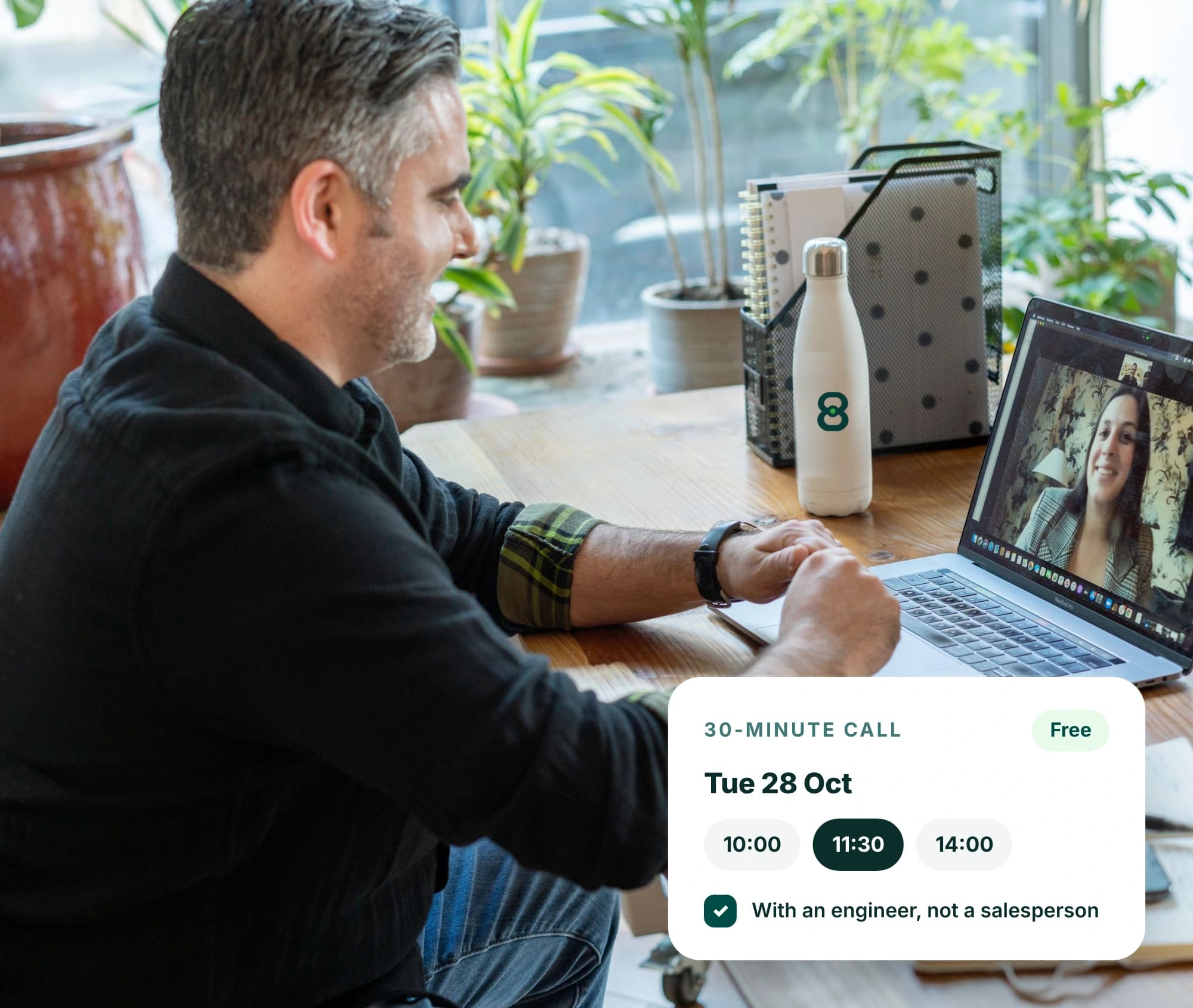
Book a 30-minute call with an engineer. Tell us what's breaking and we'll tell you what we would build, how long it would take and what it would cost, before you commit to anything.