Backendz Runtime
Releases that are boring, infrastructure that is written down.
A dedicated cloud & DevOps team that makes releases boring
Cloud and platform engineers who put every environment in code, build the pipeline that tests and ships each change, and make a failed release roll itself back.
- Vetted in four stages
- In place within days
- Your codebase, your tools, your standups
- Code and IP transferred to you
- One UK company accountable
Ship a change. Then break one.
Run the pipeline, then switch on a failing test and see what reaches production.
- Commit
- Build
- Test
- Scan
- Staging
- Canary
- Production
Result
Production: v41, healthy.
Stage 3 of 7
Test
Unit, integration and end-to-end tests. A red test stops the line; nothing is skipped to hit a date.
- CI
- Test reports
Build the squad
The core roles are switched on. Add the others the work needs; we will propose the people for each.
Your Cloud & DevOps team
2 roles, one accountable lead
Platform engineer, DevOps engineer. Full-time or part-time each, for a sprint or the long term, in your codebase and your standups.
Plan this team with usWhat the Cloud & DevOps team delivers
- CI/CD pipelinesEvery change built, tested, scanned and promoted the same way.See the service
- Cloud migrationA planned sequence of reversible steps, with the target written down first.See the service
- Infrastructure as codeEvery environment in Terraform, reviewed like any other change.
- ObservabilityLogs, metrics, traces and alerts that reach a person.
- Cost controlRight-sizing and idle resources removed, with the bill broken down by workload.
Tools the team works in
Skills on the Backendz team today. We work in the stack you have unless there is a strong reason to change it.
Cloud
- AWS
- Azure
- Kubernetes
- Docker
Code
- Terraform
- Infrastructure as code
- GitHub Actions
- CI/CD
Run
- Observability
- Alerting
- Runbooks
- Disaster recovery
Secure
- Secrets management
- Least-privilege access
- Dependency scanning
From first call to first sprint
Your team in place within days. Working software at the end of the first sprint.
- Scope callThirty minutes on what you are building, what is in place and what the team needs to own.
- Line-upWe propose the roles and the people, with their experience, and you meet them before anything is signed.
- OnboardingAccess, environments and the first tickets agreed. The team joins your tools and your standups within days.
- First sprintWorking software at the end of it, reviewed with you. The team grows or shrinks with the work from there.
How we vet engineers
Four stages, before anyone joins your work. You meet the people we propose before anything is signed.
- Portfolio & experience reviewRelevant projects, technical depth and hands-on experience are reviewed first.
- Technical assessmentA practical task tests code quality, problem-solving and the stack the project uses.
- Quality & team reviewSenior engineers review the work for implementation quality, communication and collaboration.
- Final approvalConfirmed against the project's requirements and Backendz's quality standards before joining a team.
Engage the way the work needs
- Dedicated teamA full squad owns an outcome: a product, a platform or a programme of work, with a lead who answers for delivery.
- Team extensionEngineers join the team you already have, in your codebase, your tools and your standups.
- Full-time or part-timeEach person is assigned for the hours the work needs, not a fixed block.
- A sprint or the long termStart with one sprint to prove the fit, then keep the team for as long as the roadmap runs.
Questions we are asked
What does a dedicated cloud & DevOps team do?
It puts your infrastructure in code, builds the pipeline that tests and releases every change, and sets up the monitoring that tells a person when something breaks.
Do you work with AWS and Azure?
Yes, both, with Terraform for infrastructure as code and Kubernetes where the workload justifies it. Most businesses do not need Kubernetes, and we will say so.
What happens when a release fails?
The pipeline stops it before production, or rolls it back automatically if it fails after deploy. Production keeps running the last good version.
Can the team reduce our cloud bill?
Yes. A first pass breaks spend down by workload, removes idle resources and right-sizes what remains.
Will our own engineers be able to run it afterwards?
Yes. Everything is in code, with runbooks and a tested recovery procedure, so your team owns it when ours steps back.
Services this team delivers
Hire individual developers
Still running on workarounds?
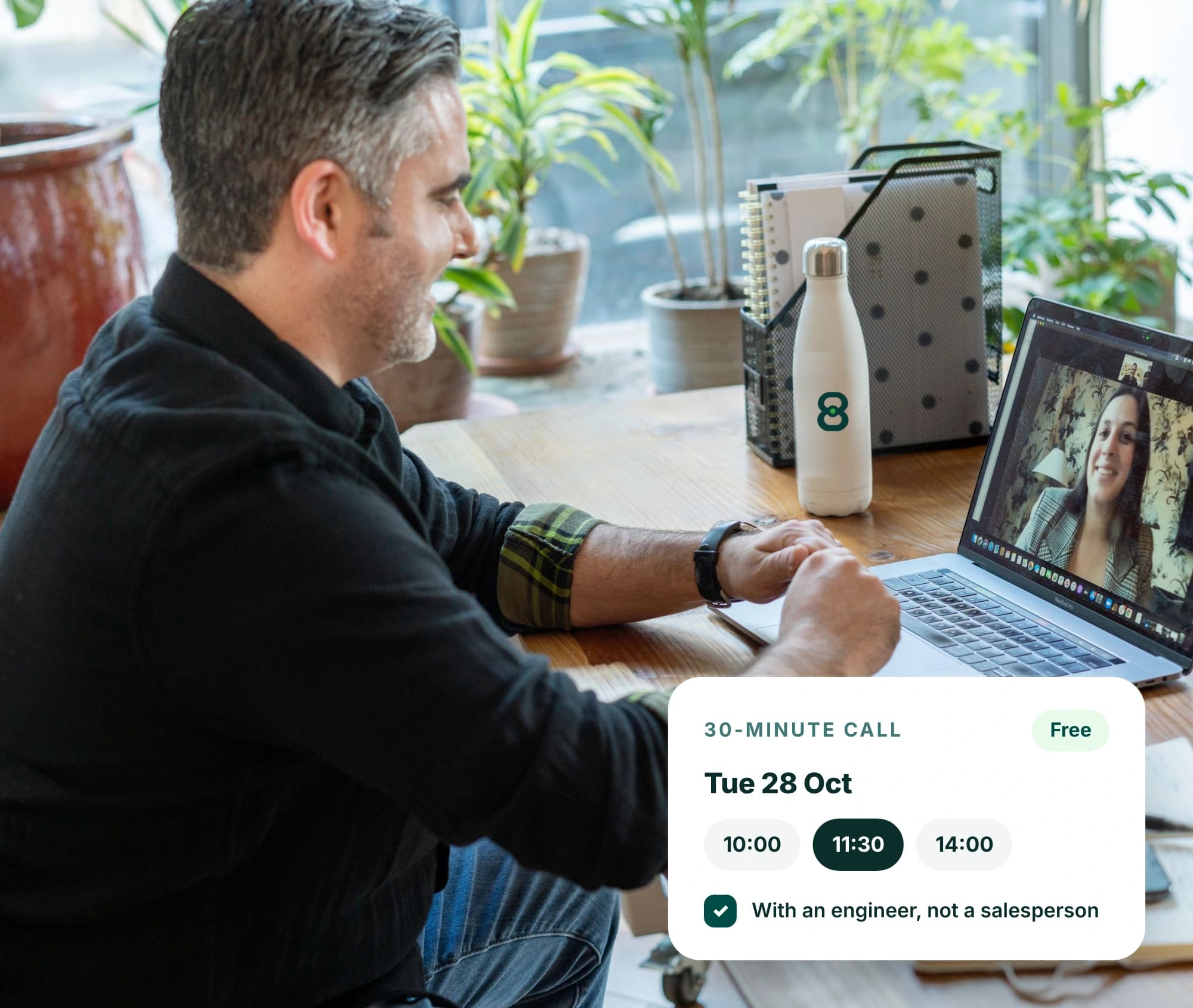
Book a 30-minute call with an engineer. Tell us what's breaking and we'll tell you what we would build, how long it would take and what it would cost, before you commit to anything.