Backendz Forge
Web platforms built end to end, from the browser to the database.
A dedicated full-stack team for your web platform
Front-end, back-end and full-stack engineers who own every layer a request touches. They build new platforms and take over existing ones, in the codebase you already have.
- Vetted in four stages
- In place within days
- Your codebase, your tools, your standups
- Code and IP transferred to you
- One UK company accountable
Follow a request through the stack
Send a request and watch where it goes. Pick a layer to see what the team owns there.
Back-end engineer
API
A clear contract between the screen and the system: validated input, useful errors, versioned when it has to change.
- Node.js
- .NET
- REST
- Auth
Build the squad
The core roles are switched on. Add the others the work needs; we will propose the people for each.
Your Full-stack team
3 roles, one accountable lead
Technical lead, Front-end engineer, Back-end engineer. Full-time or part-time each, for a sprint or the long term, in your codebase and your standups.
Plan this team with usWhat the Full-stack team delivers
- Web applicationsCustomer portals, internal tools and SaaS products, built to be maintained.See the service
- Custom softwareThe system your business runs on, shaped around how you work.See the service
- APIs and integrationsClean APIs and the connections to the systems around them.See the service
- ModernisationOlder applications moved to a current stack in stages, without a big-bang rewrite.See the service
- TakeoversCode built by someone else, reviewed, documented, stabilised and then developed.
Tools the team works in
Skills on the Backendz team today. We work in the stack you have unless there is a strong reason to change it.
Front end
- React
- Next.js
- TypeScript
- Design systems
- Accessibility
Back end
- Node.js
- .NET
- Python
- Laravel / PHP
- APIs
Data
- PostgreSQL
- SQL Server
- Redis
- Queues
Delivery
- CI/CD
- Docker
- AWS
- Azure
- Observability
From first call to first sprint
Your team in place within days. Working software at the end of the first sprint.
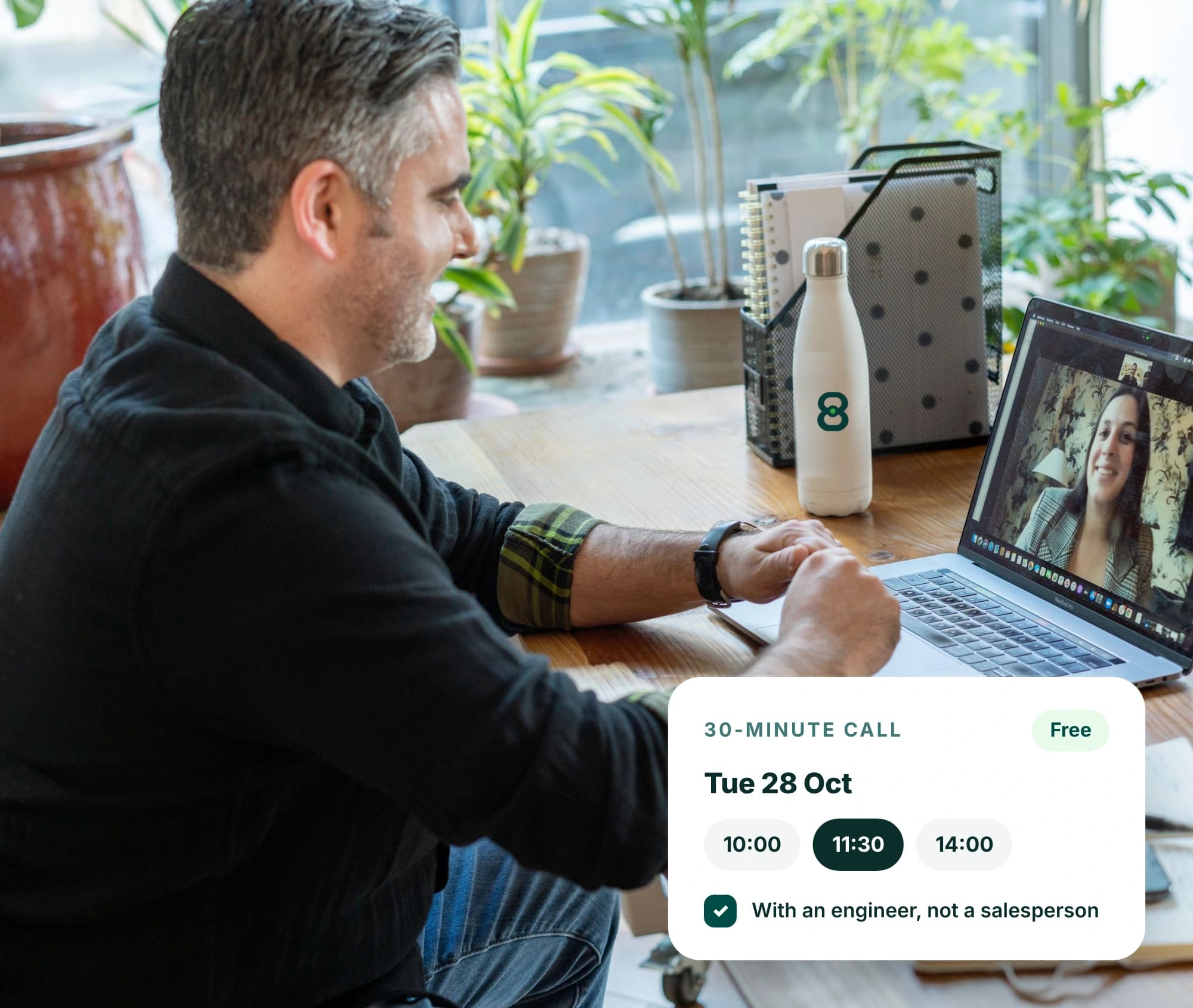
- Scope callThirty minutes on what you are building, what is in place and what the team needs to own.
- Line-upWe propose the roles and the people, with their experience, and you meet them before anything is signed.
- OnboardingAccess, environments and the first tickets agreed. The team joins your tools and your standups within days.
- First sprintWorking software at the end of it, reviewed with you. The team grows or shrinks with the work from there.
How we vet engineers
Four stages, before anyone joins your work. You meet the people we propose before anything is signed.
- Portfolio & experience reviewRelevant projects, technical depth and hands-on experience are reviewed first.
- Technical assessmentA practical task tests code quality, problem-solving and the stack the project uses.
- Quality & team reviewSenior engineers review the work for implementation quality, communication and collaboration.
- Final approvalConfirmed against the project's requirements and Backendz's quality standards before joining a team.
Engage the way the work needs
- Dedicated teamA full squad owns an outcome: a product, a platform or a programme of work, with a lead who answers for delivery.
- Team extensionEngineers join the team you already have, in your codebase, your tools and your standups.
- Full-time or part-timeEach person is assigned for the hours the work needs, not a fixed block.
- A sprint or the long termStart with one sprint to prove the fit, then keep the team for as long as the roadmap runs.
Questions we are asked
What does a dedicated full-stack team include?
A technical lead, a front-end and a back-end engineer to start, with full-stack, design and QA roles added as the work grows. Together they own every layer of the platform.
Can the team take over an existing codebase?
Yes. We review the code, document it, fix urgent risks and then develop it. Many clients come to us after a previous supplier became unresponsive.
Which technologies does the team use?
React and Next.js in the browser; Node.js, .NET, Python or Laravel on the server; PostgreSQL or SQL Server for data. We work in the stack you have unless there is a strong reason to change it.
How quickly does the team start?
The team is in place within days of agreeing the line-up, and most projects reach working software within the first month.
Will the team use our tools and processes?
Yes. They work in your repository, your ticketing and your standups, and follow your review and release process.
Services this team delivers
Hire individual developers
Still running on workarounds?
Book a 30-minute call with an engineer. Tell us what's breaking and we'll tell you what we would build, how long it would take and what it would cost, before you commit to anything.