Definitions before dashboards
We agree what a metric means, in writing, with the people who argue about it. Then it gets defined once in the transformation layer and everything reads from there.
Pipelines, warehouses, reporting and the cloud they run on. Most reporting problems are not reporting problems — they are two systems with different definitions of the same word, and no one place where that gets settled.
Or see how we engage first — four shapes, no sales call required.
No more meetings spent reconciling two dashboards
Forget reports assembled by hand every Monday
Stop paying for cloud nobody has looked at in a year
Skip the warehouse that nobody trusts enough to use
Done with pipelines that fail silently overnight
Say bye to a restore nobody has ever actually tested
30%+
typical cloud spend reduction from a first optimisation passindustry context
2
definitions of 'revenue' is one too manyour rule
0
untested backups we will leave behindour rule
We agree what a metric means, in writing, with the people who argue about it. Then it gets defined once in the transformation layer and everything reads from there.
Tests on freshness, volume and referential integrity, with alerts that reach a person. A silent failure is worse than an outage, because people keep trusting the numbers.
We size for your actual load, not a brochure architecture. Kubernetes is excellent and most businesses do not need it; we will say so.
We restore from backup during the engagement and write down how long it took. Until that has happened you do not have backups, you have files.
Most enquiries land in one of these. If yours does not, say so on the call — we would rather shape the engagement than sell you the nearest shape we have.
Data brought together from the systems you run, defined once, and presented where people already look.
Best for: Businesses running on exports and manual spreadsheets.
A review of what you run, what it costs and what it is for, followed by the changes that actually move the number.
Best for: Cloud estates that grew without anyone owning the total.
Migration planned as a sequence of reversible steps, with the target architecture written down before anything moves.
Best for: On-premises estates, data-centre exits, cloud-to-cloud moves.
Environments, pipelines, observability and the operational discipline around them — set up so your engineers own it afterwards.
Best for: Engineering teams without a dedicated platform function.
Every card is a build we shipped and still support. Open one for the decisions behind it.
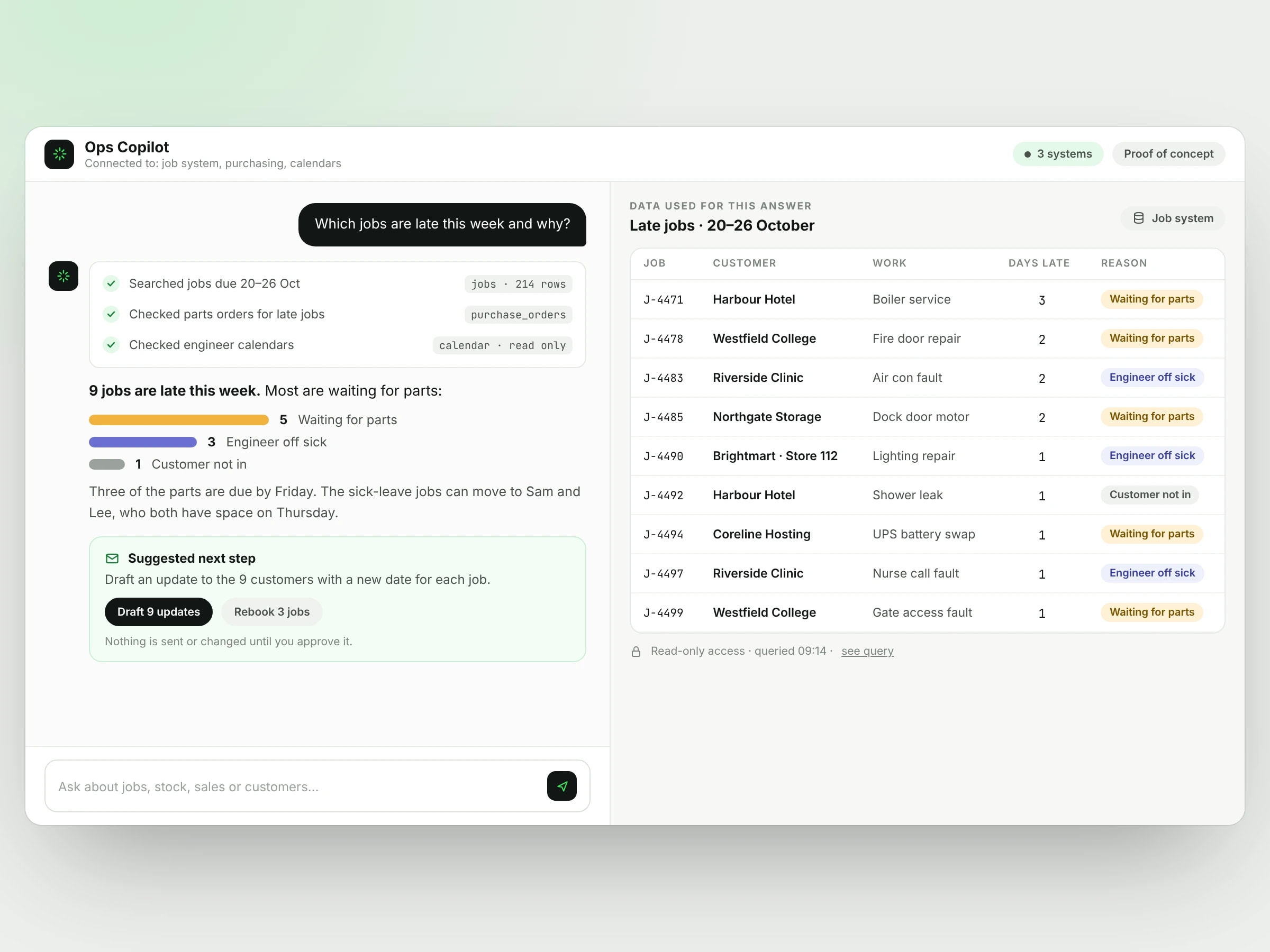
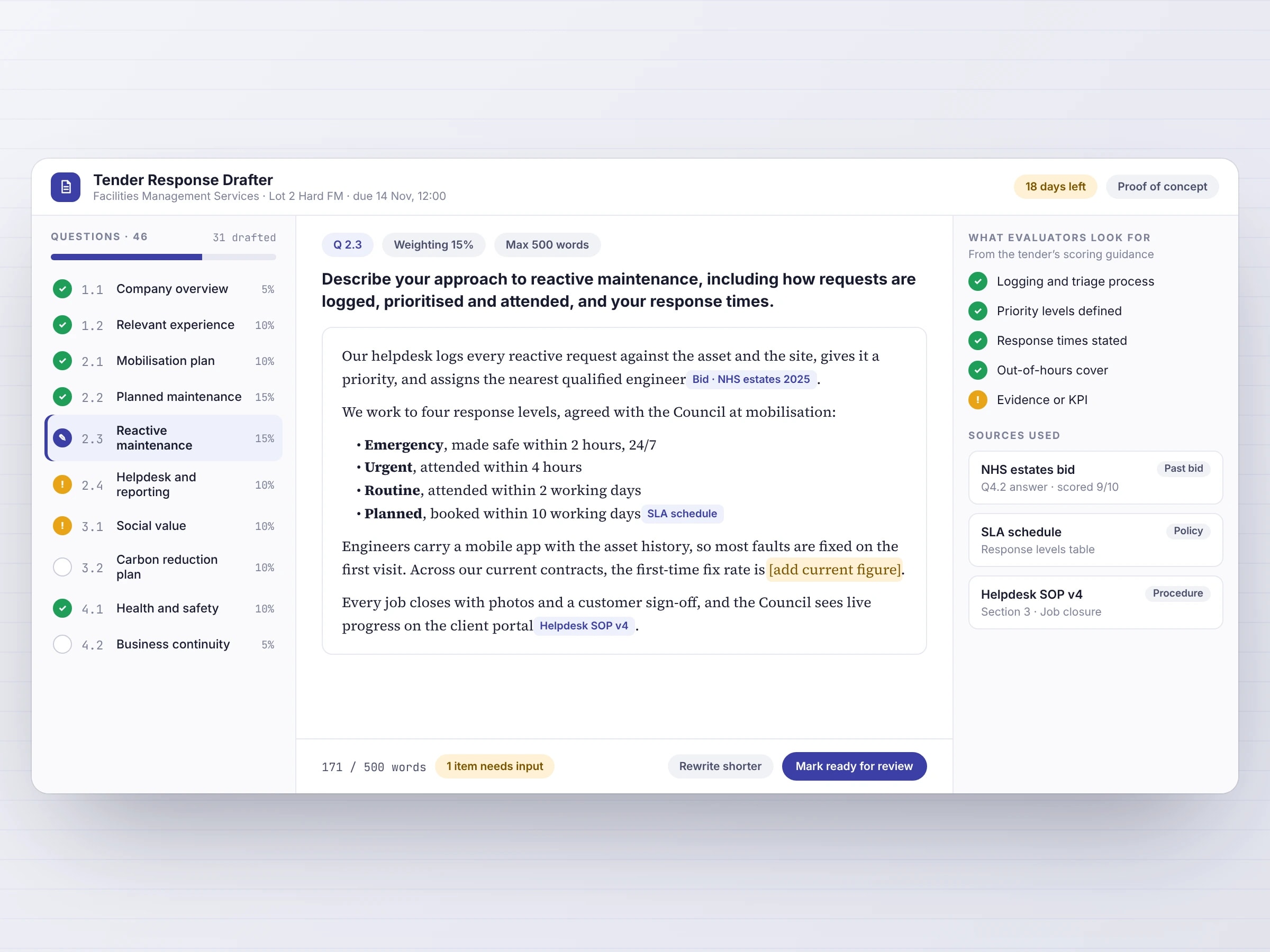
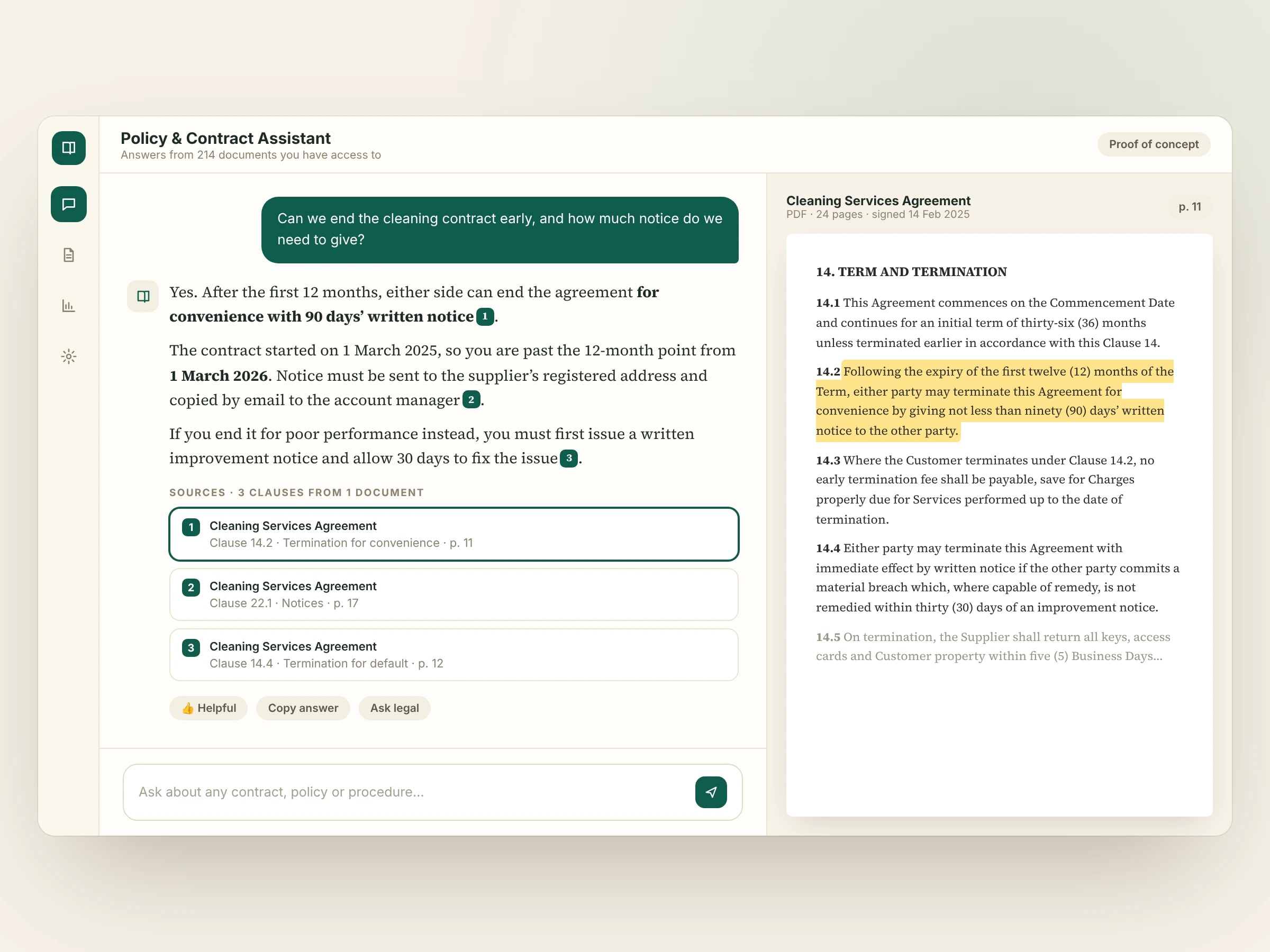
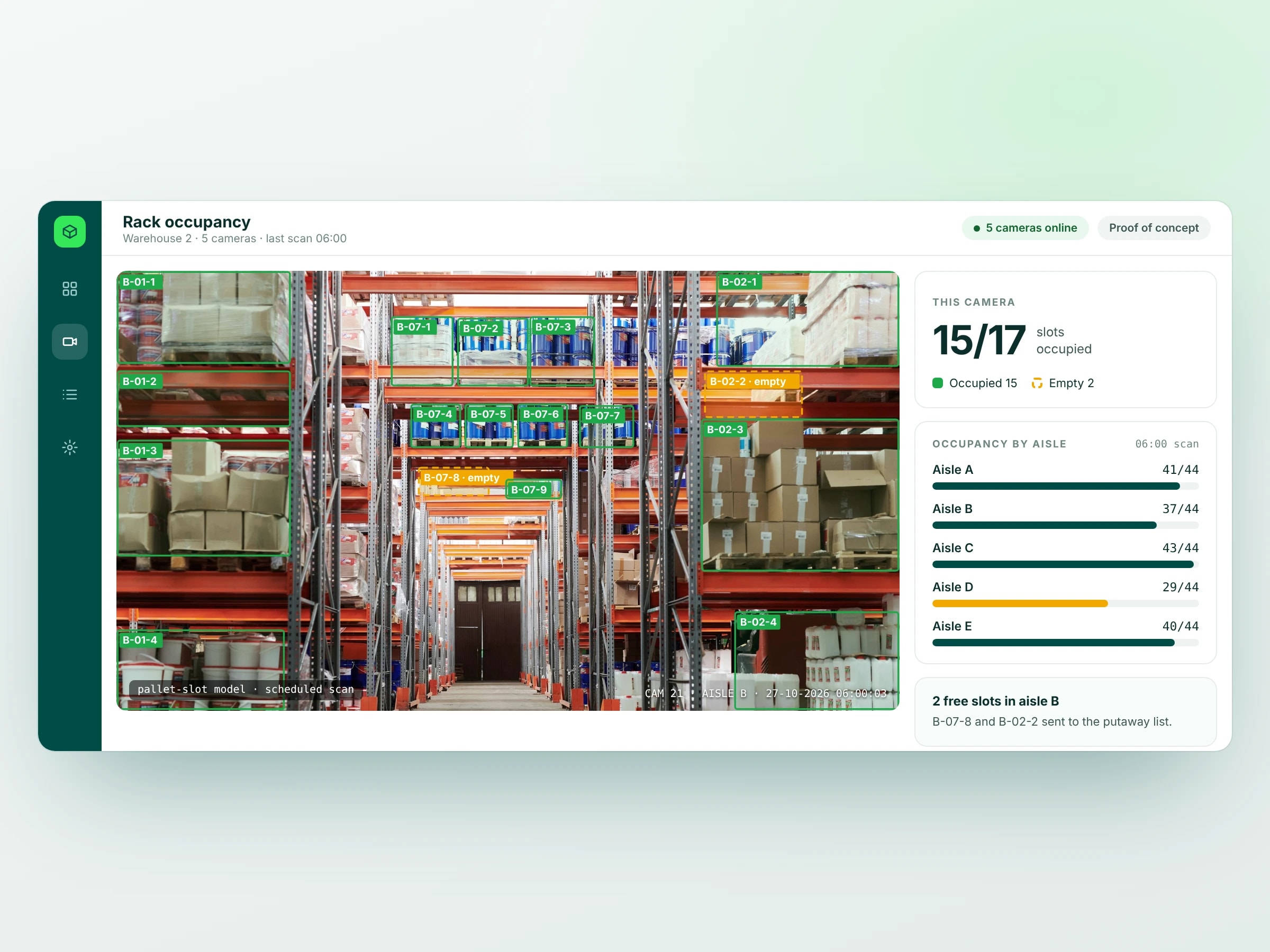
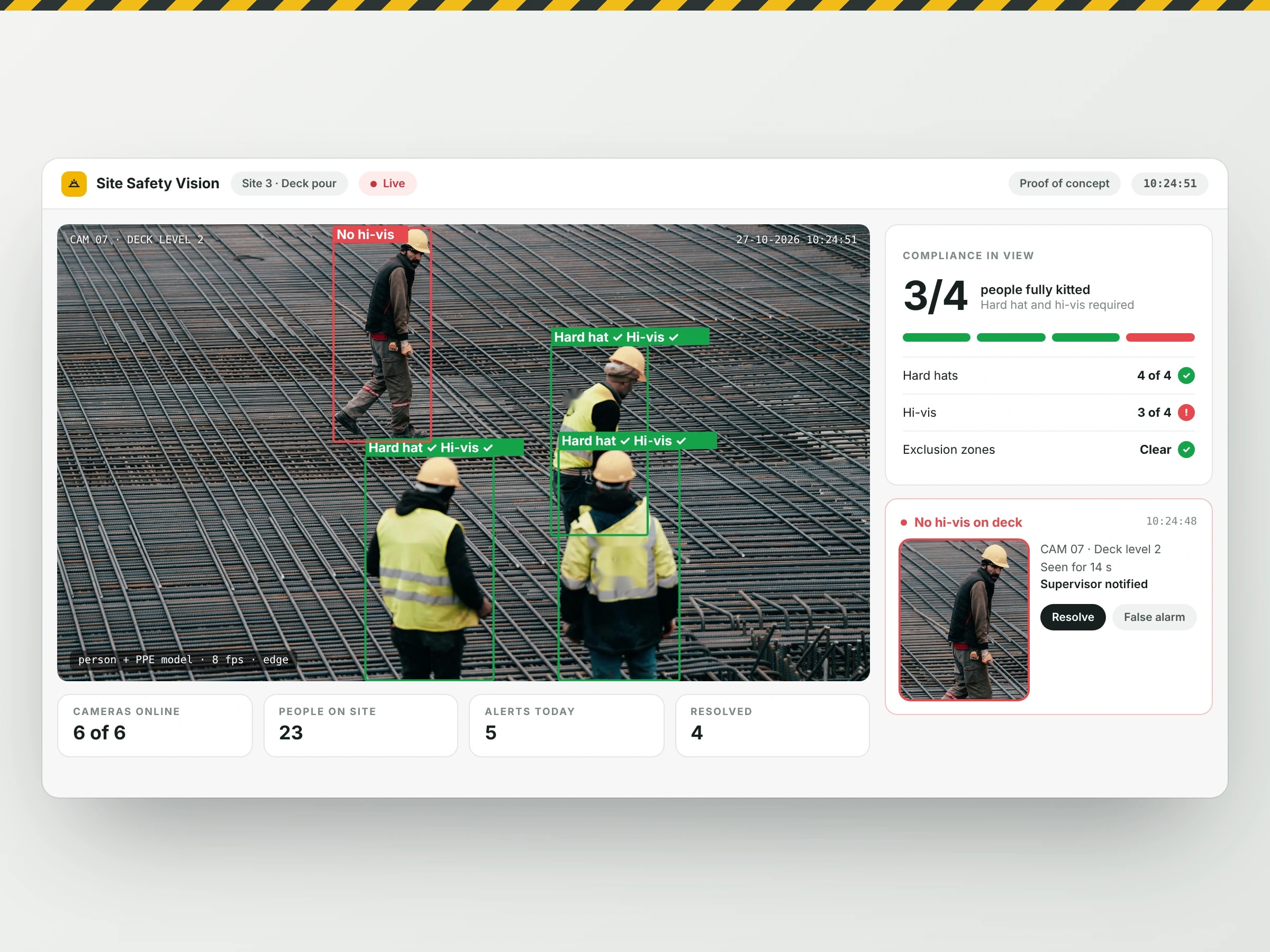
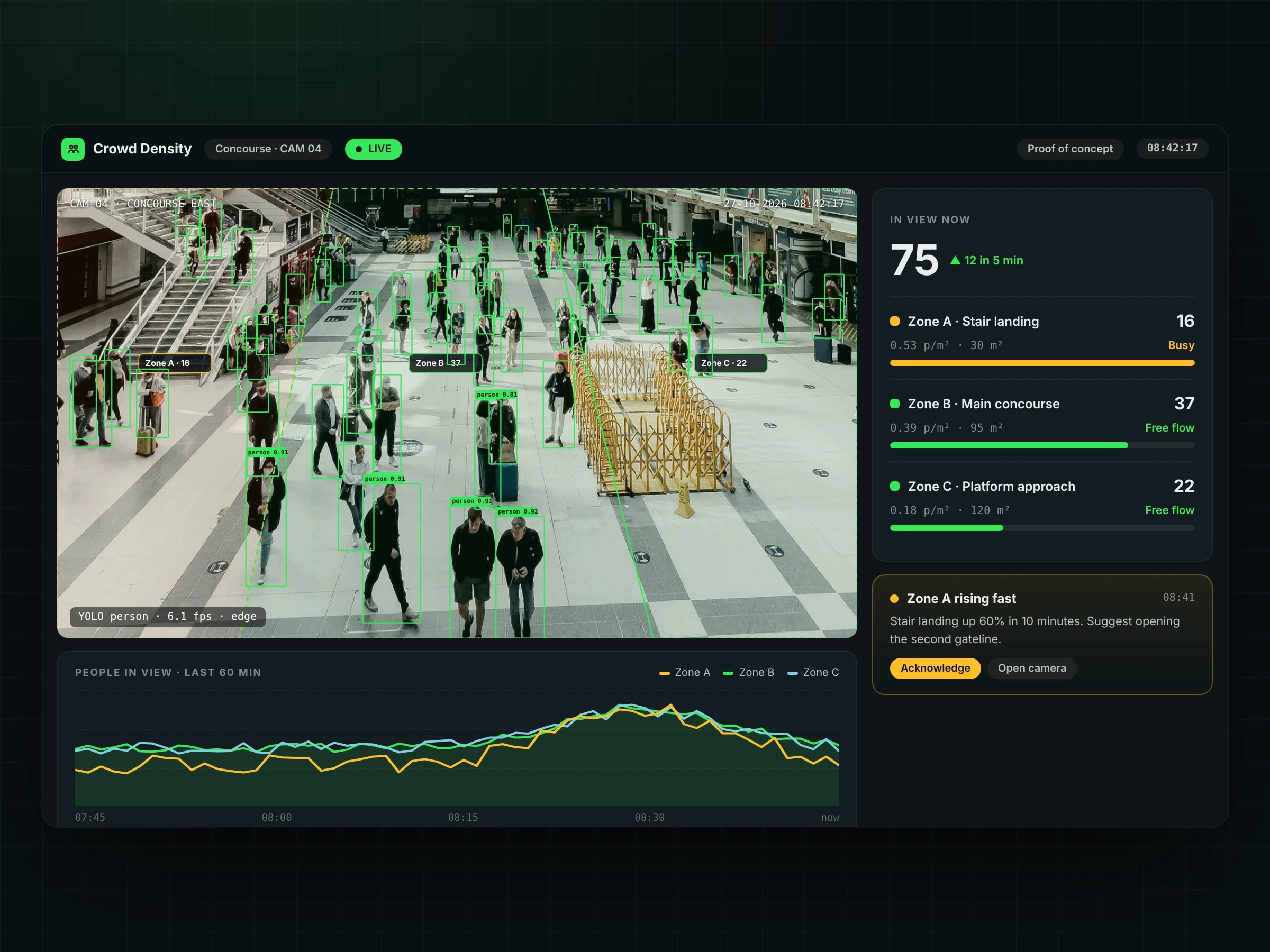
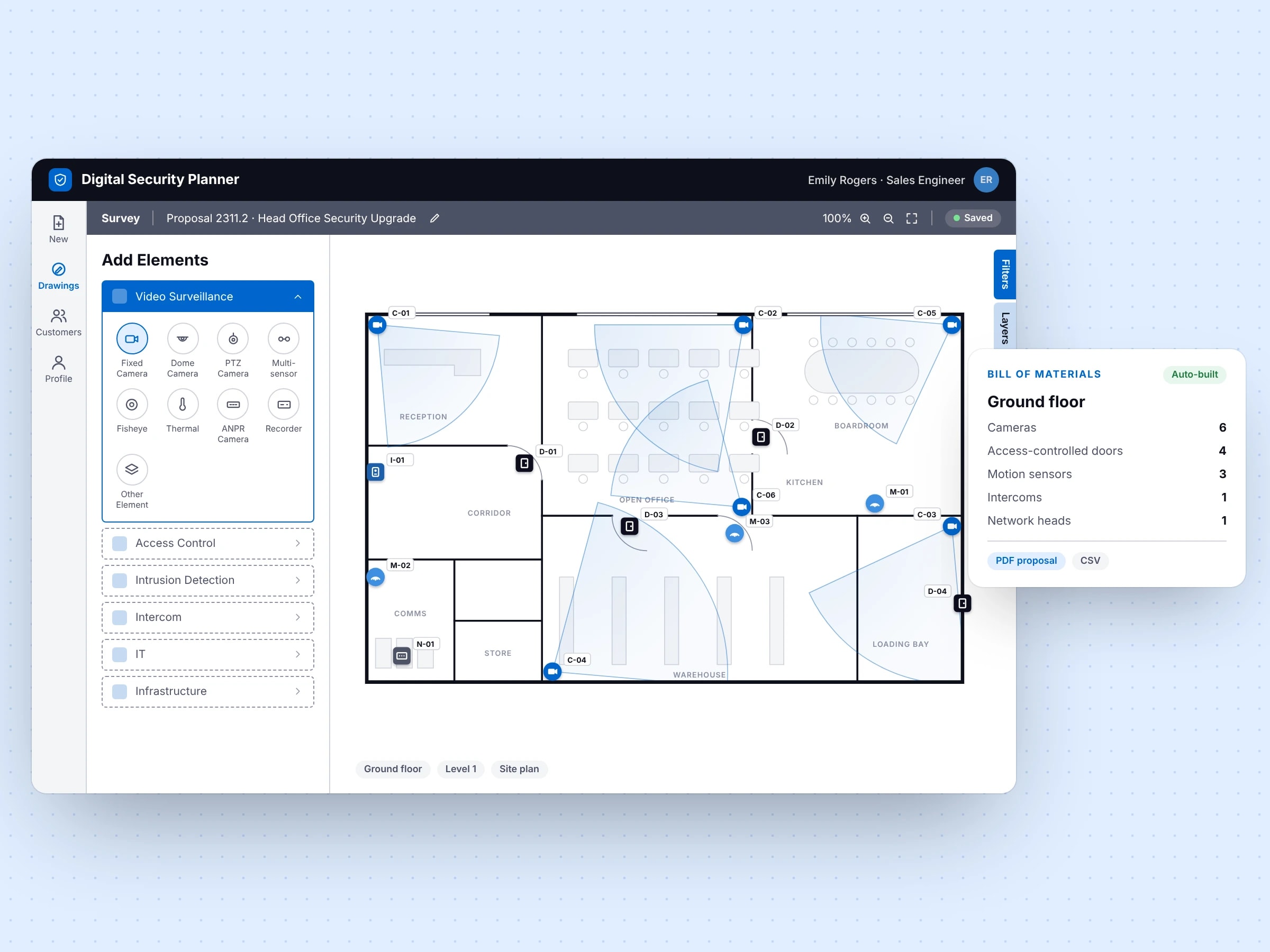
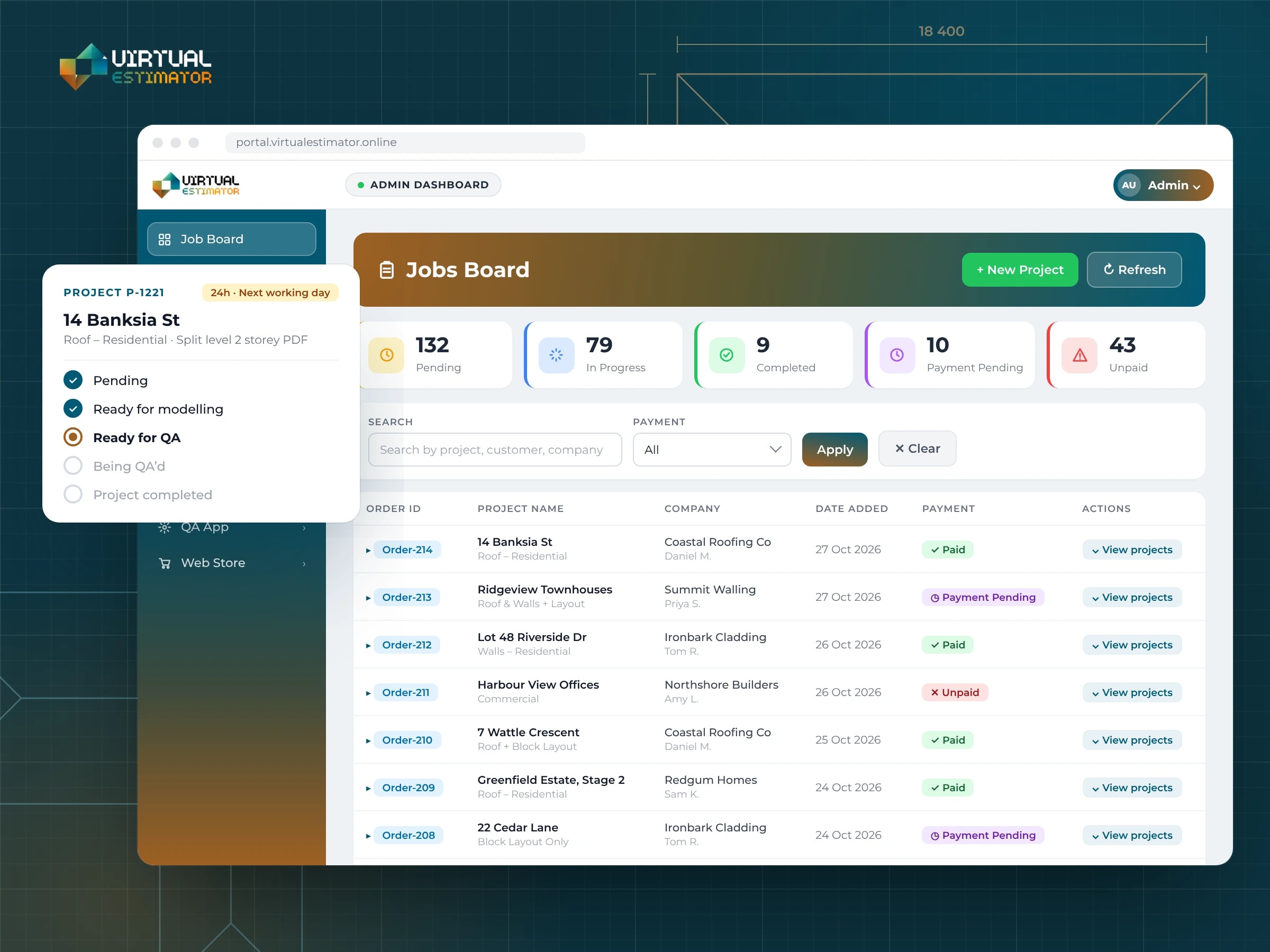
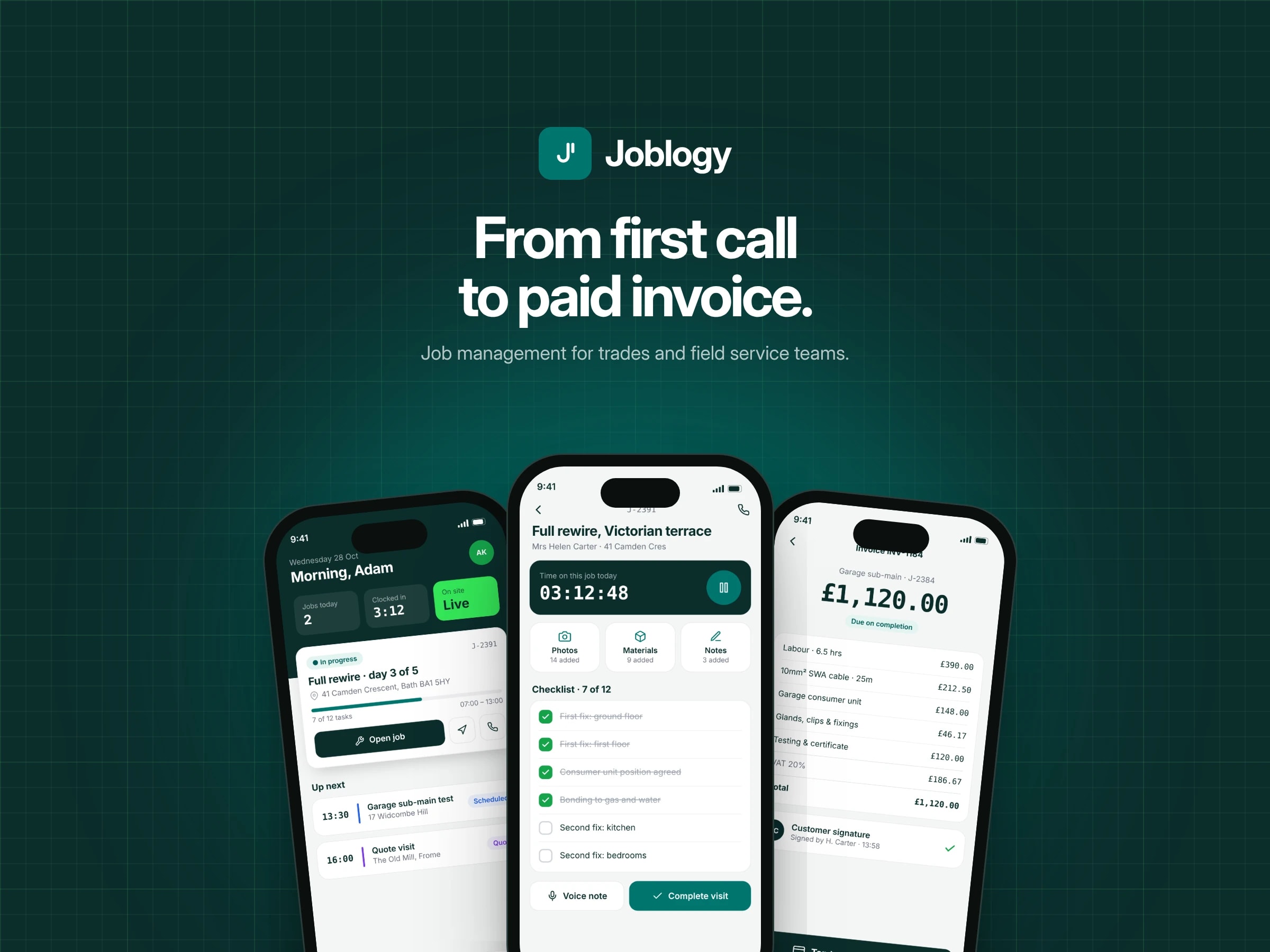

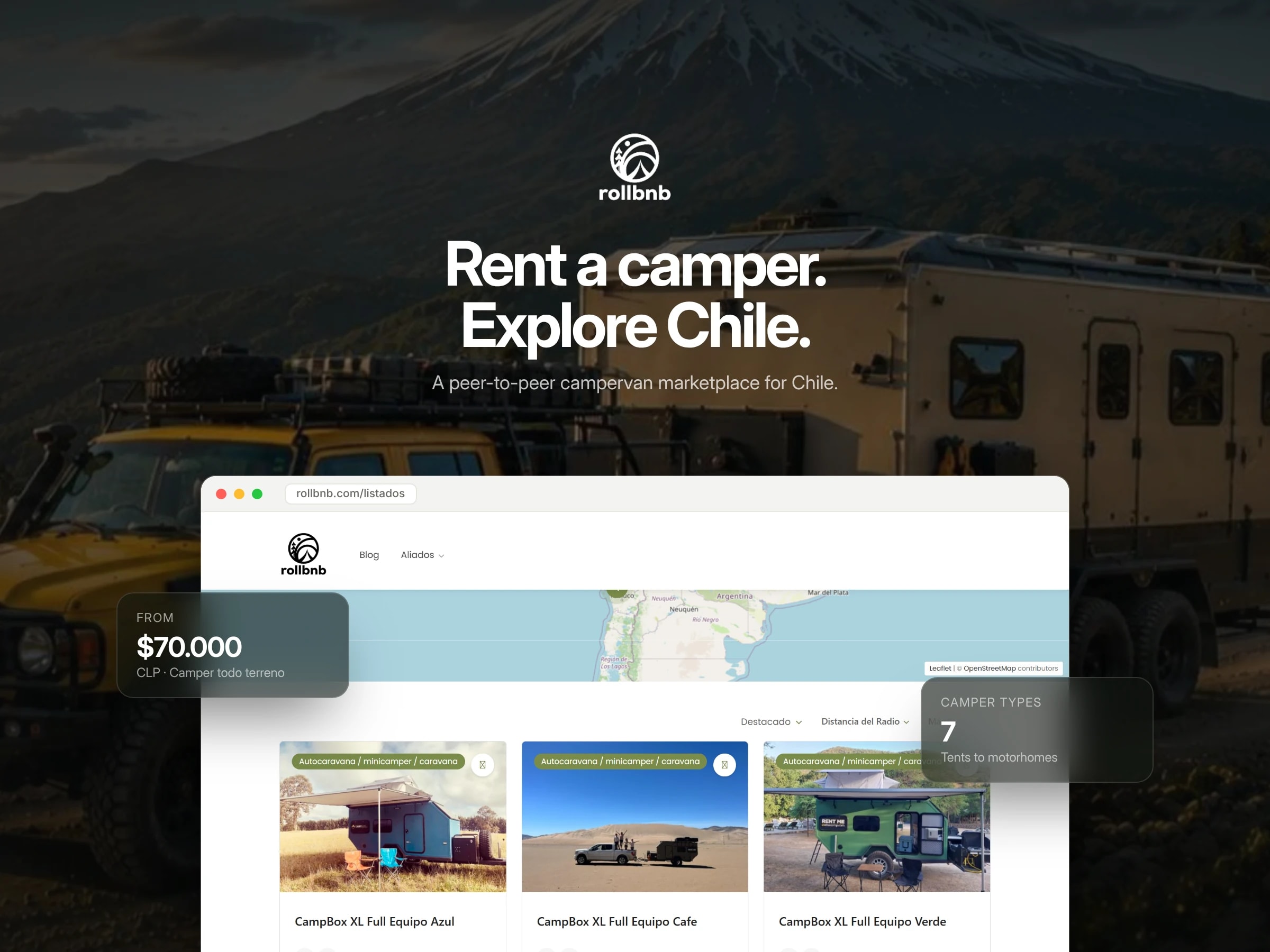
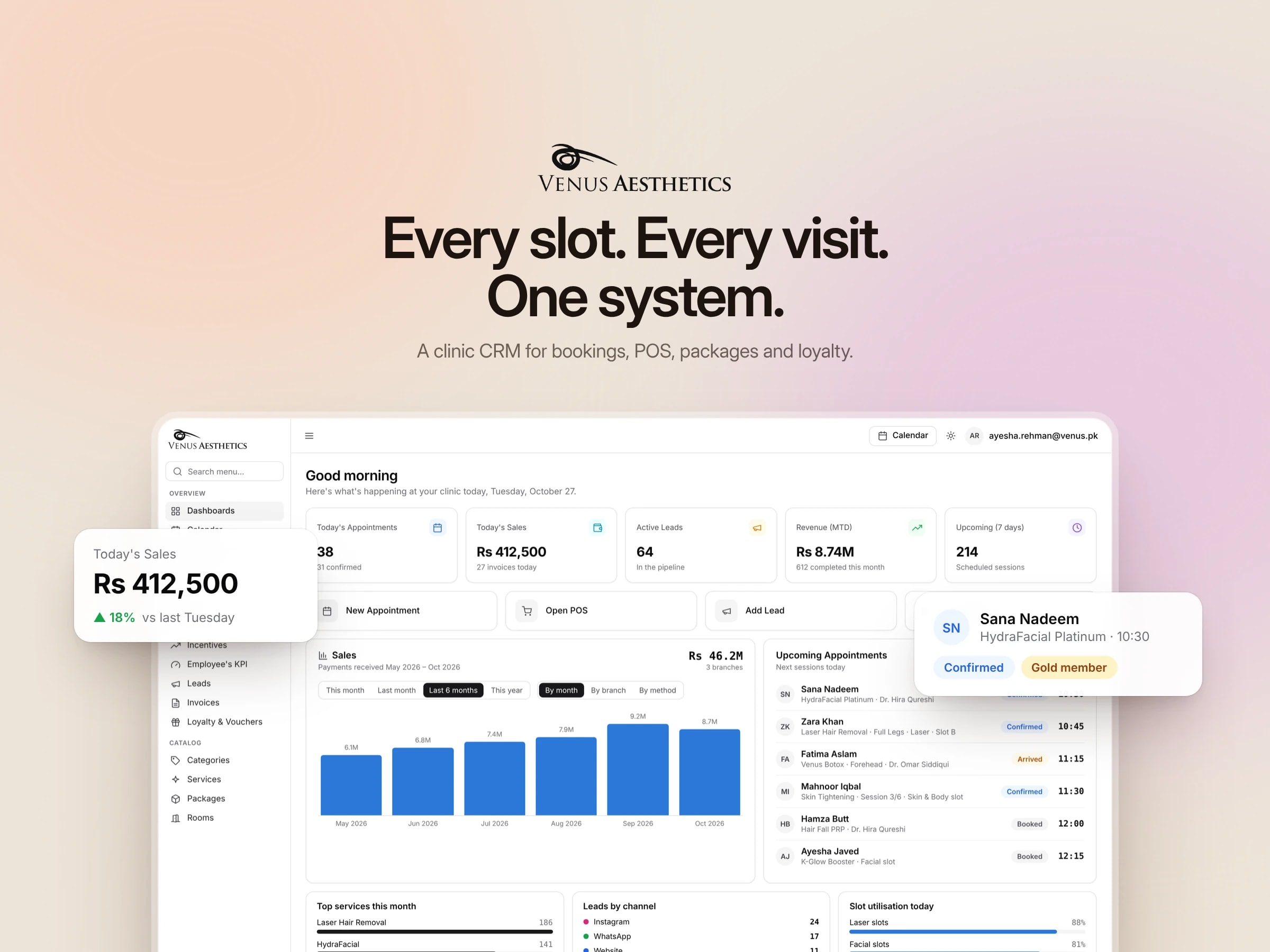
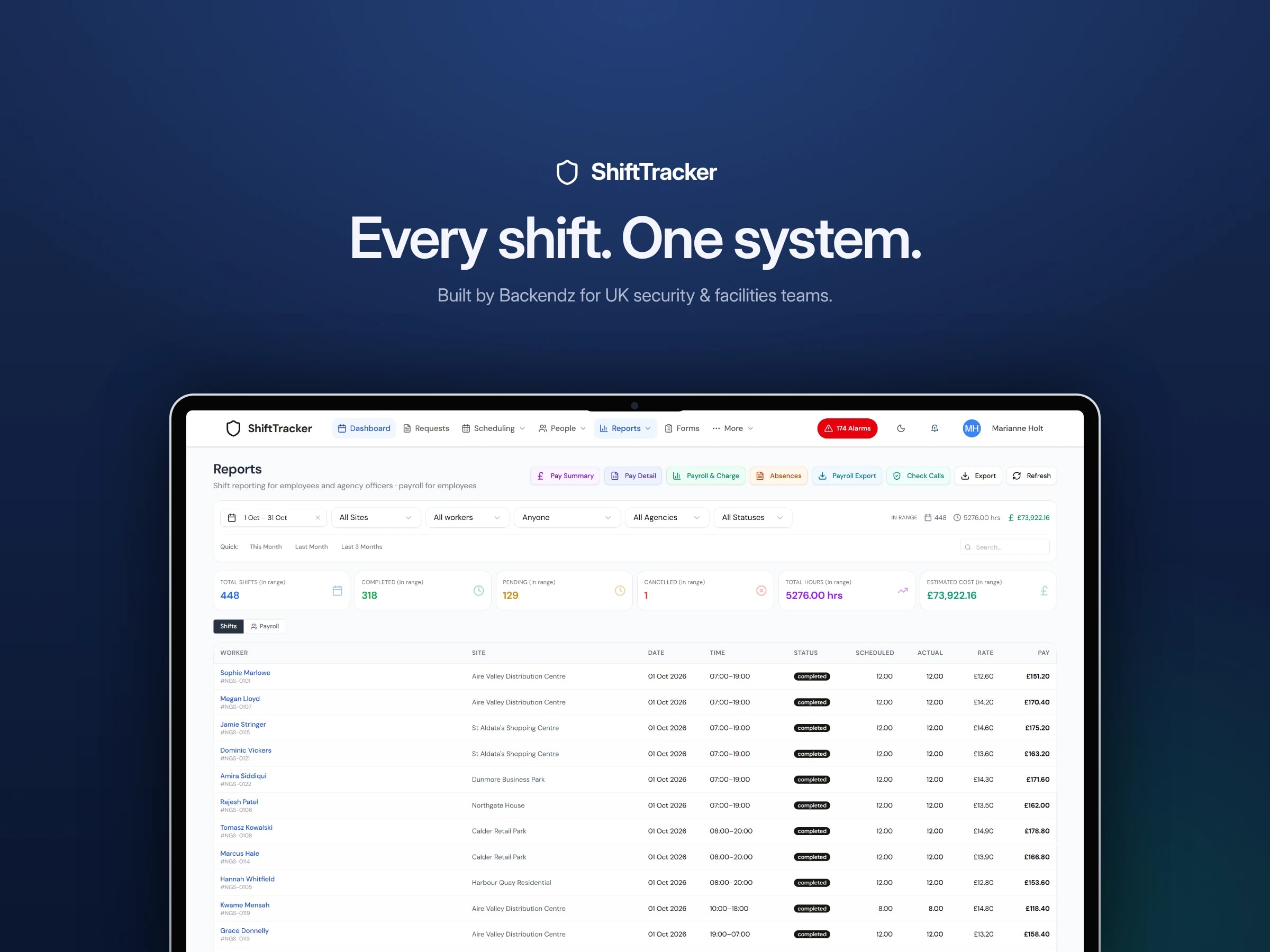
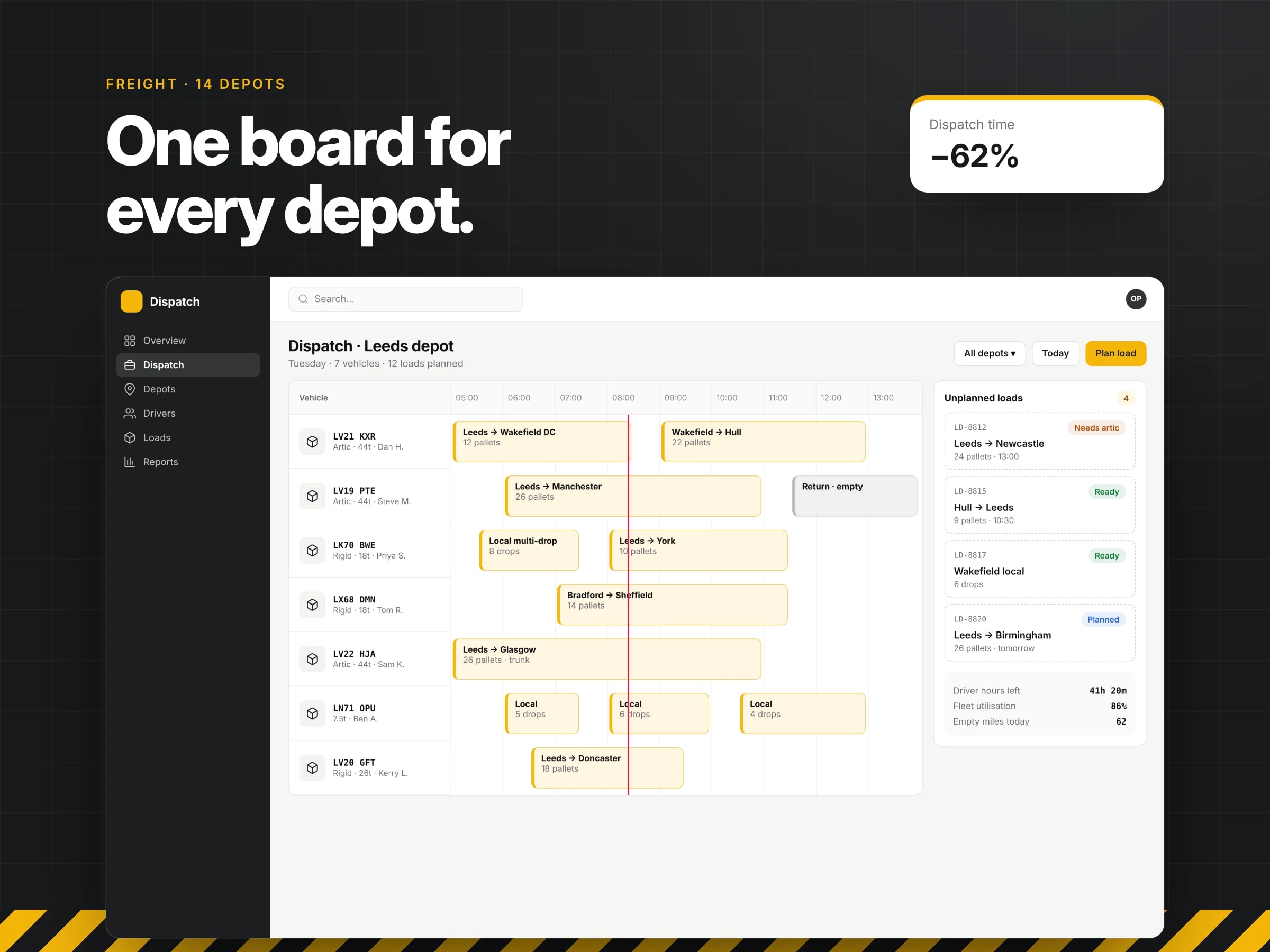
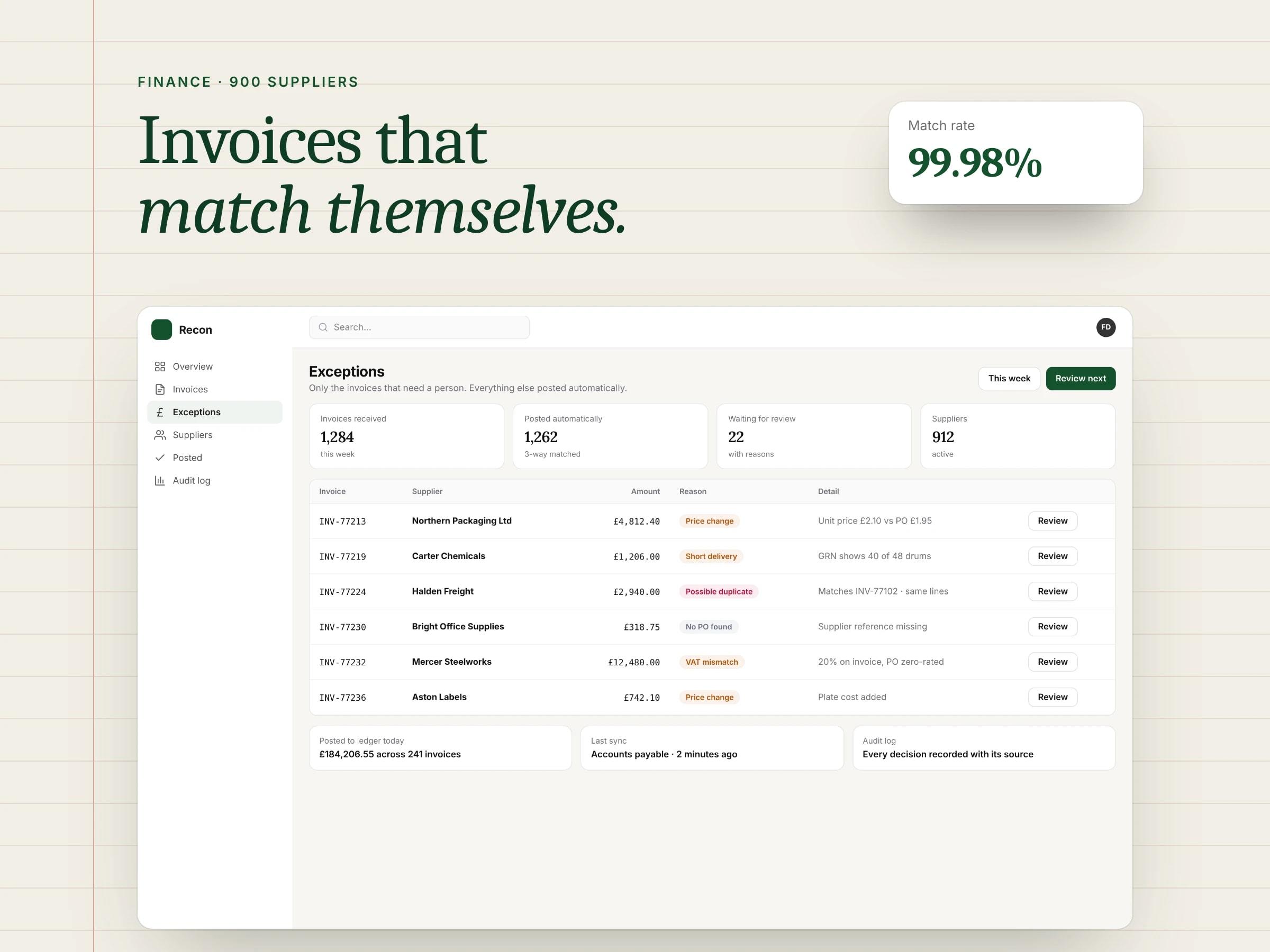
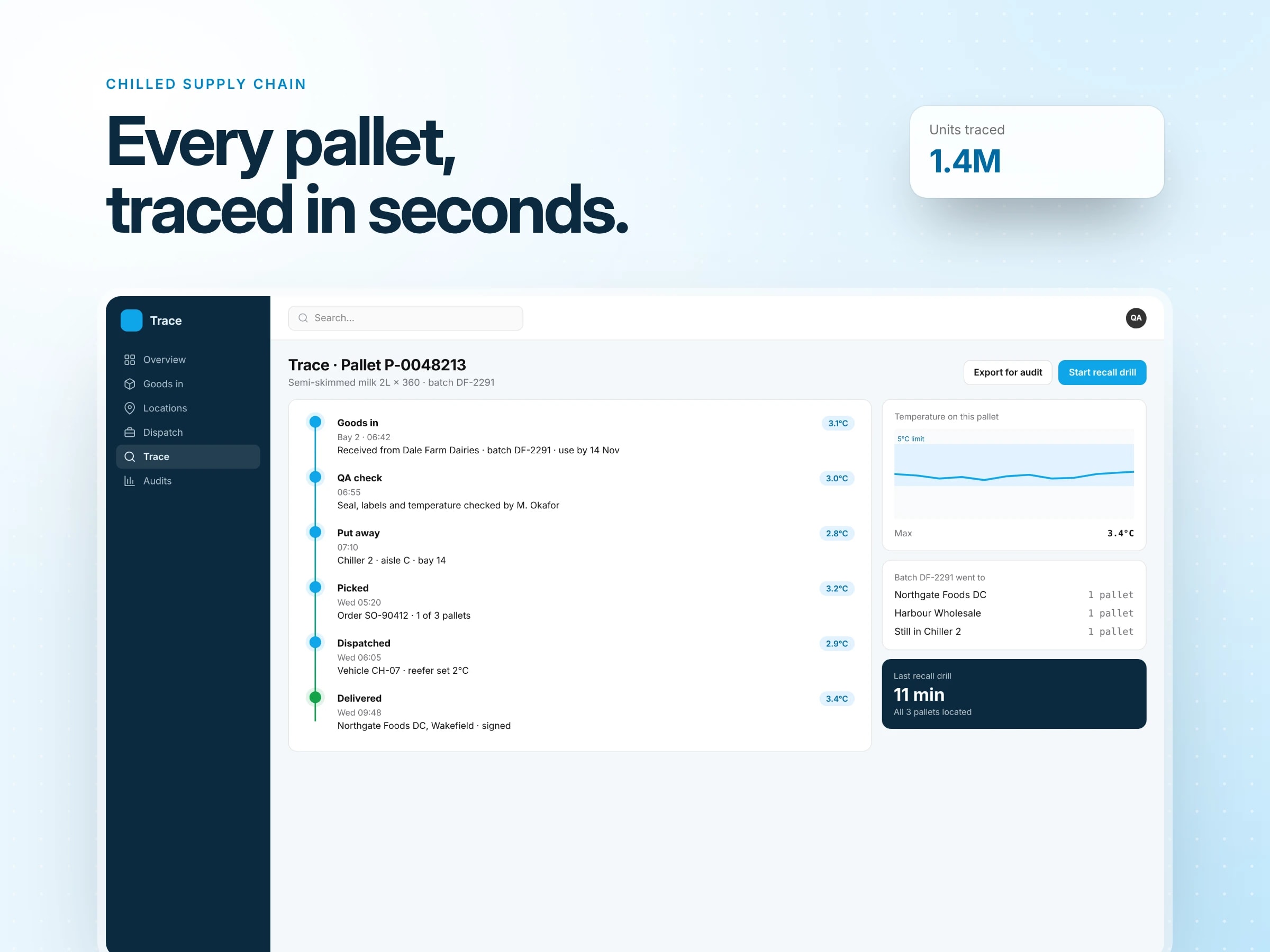
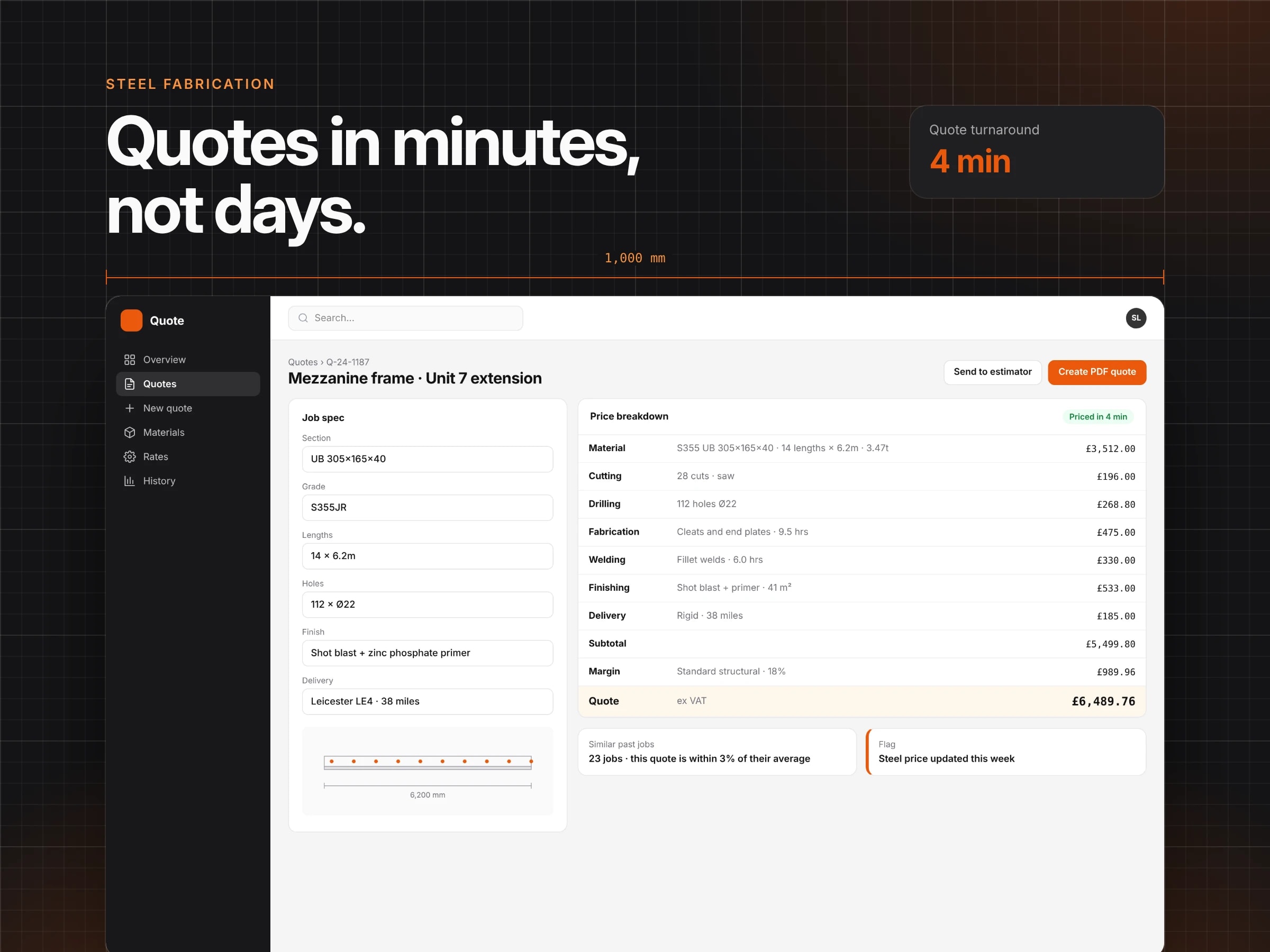
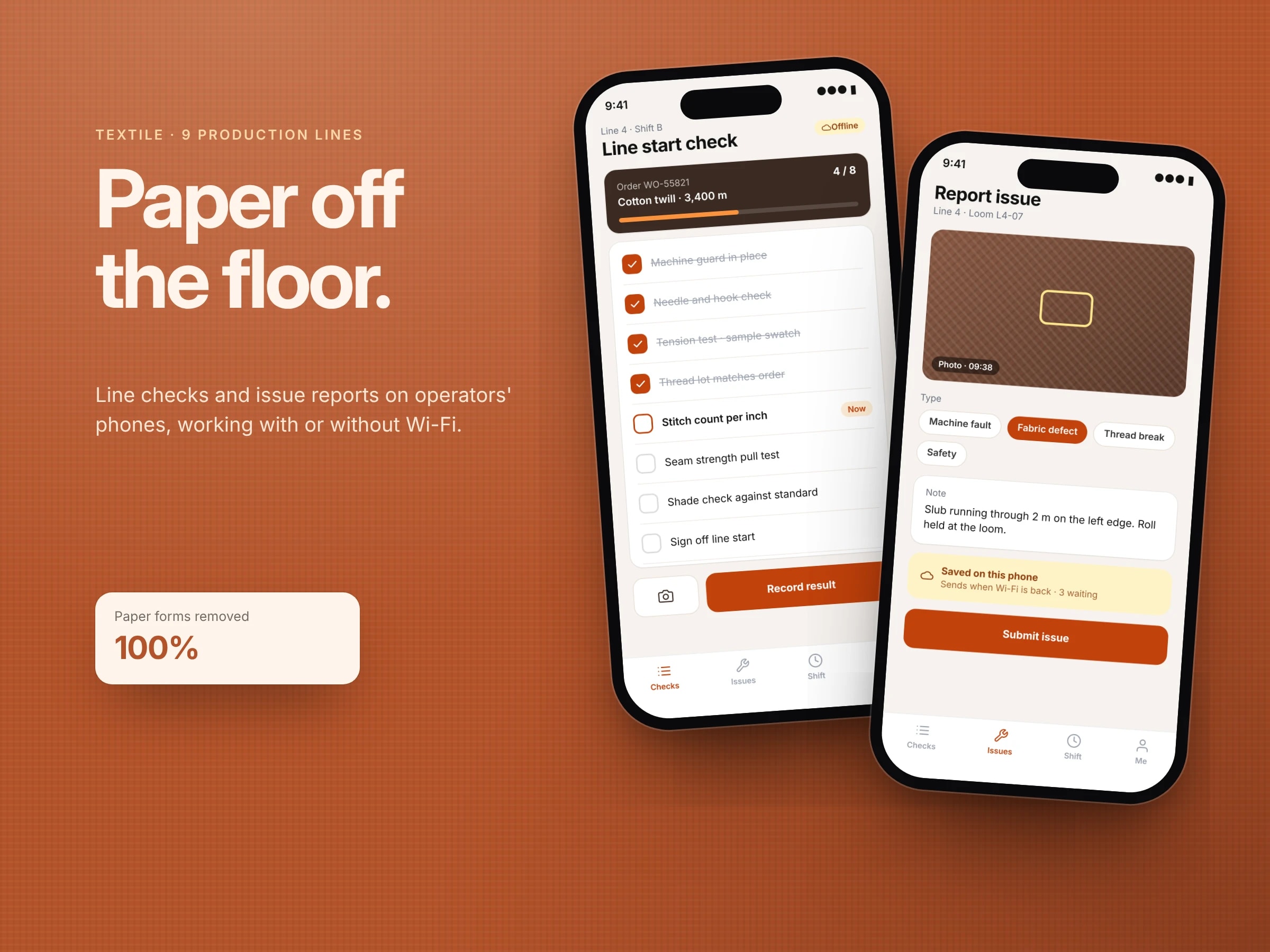
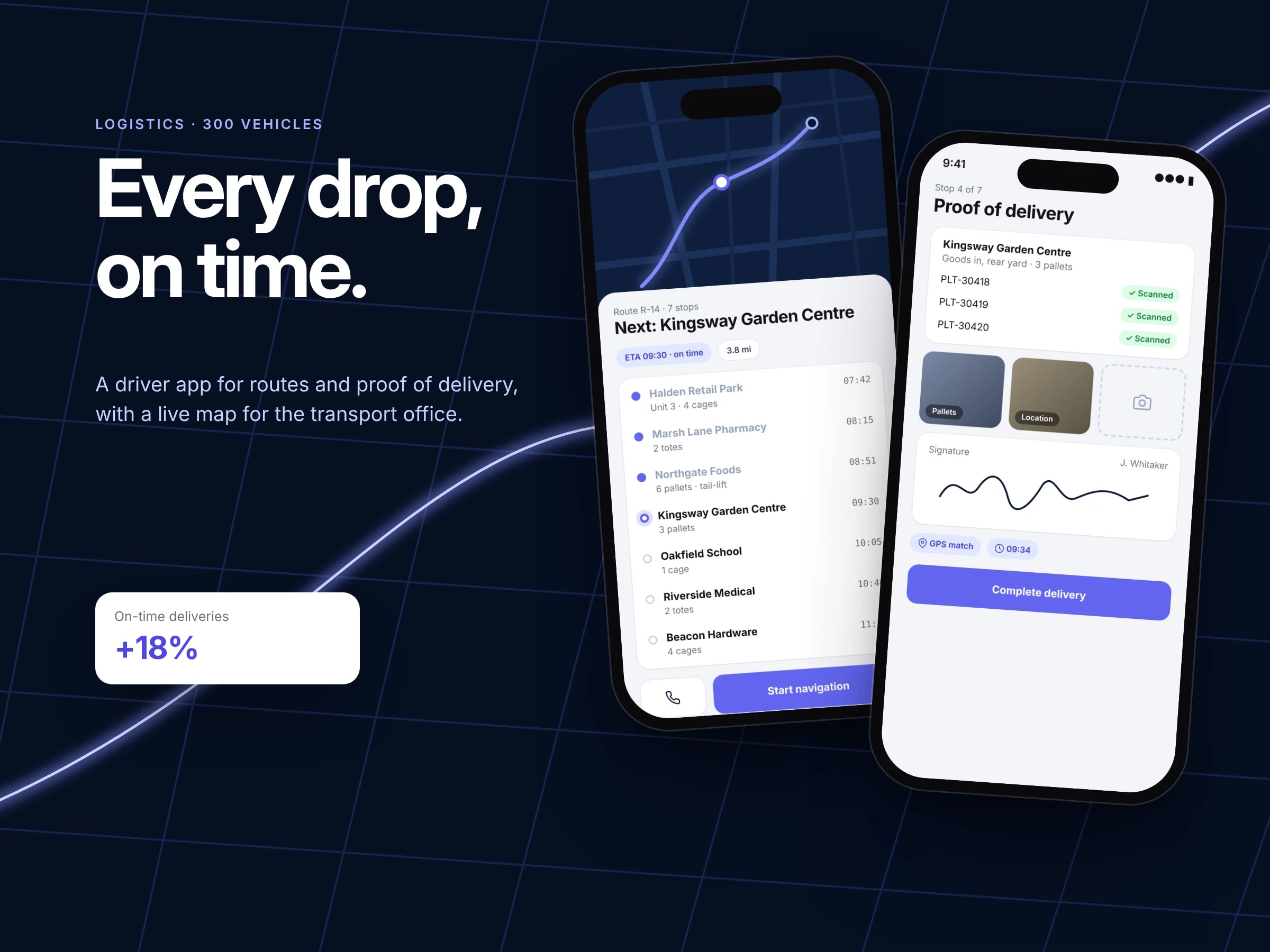
What falls inside this service. Nothing here is an upsell discovered later.
The sequence matters more than the label. Skipping the first one is how projects in this area go wrong.
We get the people who disagree about the numbers in one room and write down what each metric means. This is the whole project, disguised as a meeting.
Operations directors, CTOs and plant managers — the ones still using the system a year after the invoice cleared.
 Freight operator · 14 depotsFreight operator · 14 depots
We wanted answers our team could check against the original document. Having the relevant clause beside the response makes the assistant useful when reviewing policies and contracts.
Our rental journey had to work for both vehicle owners and travellers. Backendz brought listings, availability and bookings together into a platform that feels straightforward to use.
A single headcount does not tell us where congestion is developing. The zone-based view gives our team a clearer picture of how people are moving and where attention may be needed.
Tender preparation involves gathering evidence and getting the right people to review each section. Backendz brought those steps into one workspace, with drafts our team can check and approve.
Our estimating process needed to reflect how we actually price work. Backendz took time to understand the inputs and rules, then built a quoting journey our team could review and refine.
 Thomas MitchellManaging Director at Ridgewell Roofing & Cladding
The team took time to understand how our staff work between appointments. The resulting system brings scheduling and client information together without making the day more complicated.
We could review working features throughout the build and give specific feedback. That made it easier to keep the product focused on the people using it.
Our field team needed access to job details away from the office. The mobile workflow keeps the relevant information close at hand and gives the office a clearer view of progress.
We wanted a client portal that reflected how we deliver our services. Backendz brought documents, requests and progress updates into a straightforward experience for clients and staff.
Our teams were entering the same information into several tools. Backendz mapped the process with us and built a more connected workflow with clear review points.
We needed scheduling, availability and shift changes in one place. Backendz shaped the system around the way our operations team works and stayed involved after launch to help us refine it.
Ask for references and we will put you on a call with the team that runs the system — not a case study PDF.
References available on request
We wanted a practical way to review PPE and safety-zone events using our existing cameras. The team focused on the situations our site managers need to investigate and made the footage easier to review.
The priority was a counting workflow our warehouse team could use during a normal shift. Backendz connected image-based counts with the records we already use and made discrepancies easier to review.
Our information was spread across several operational systems. Backendz designed a clearer way to ask questions, inspect the supporting evidence and keep approval with our team before an action is taken.
The reconciliation workflow gives our finance team one place to review mismatches and supporting records. We can trace an exception back to its source and decide what needs attention.
We had outgrown the spreadsheets that held our pricing rules. Backendz helped turn that knowledge into a quoting tool we can maintain and explain to new colleagues.
Connecting our sales and inventory systems was the priority. The integration gives our team a clearer view of updates and a practical way to investigate records that need review.
The cloud work started with understanding our existing systems and dependencies. The team documented the setup and gave us a clearer basis for monitoring and ongoing maintenance.
The engineers worked alongside our team and explained their decisions clearly. Code reviews and practical documentation helped us stay involved throughout delivery.
5 yrs
In production
We quote fixed and we hold it
2
Platforms run in-house
45
Services, one team

Senior engineers, not account managers
24/7 production support and monitoring
The things people ask before they commit.
Ask it on the call. We would rather answer an awkward question early than discover it in month three.
Book a callNot always. If reporting spans one system, a well-modelled read replica and a good BI tool may be enough. A warehouse earns its place when numbers must be joined across systems, or when history has to be preserved in a way the source systems do not.
Whichever your team can operate. The capability difference for most businesses is marginal; the difference in whether your people can debug it at 2am is not. If you are a Microsoft shop with an Entra tenant, Azure usually wins on integration alone.
A first pass on an estate nobody has reviewed commonly finds a meaningful double-digit percentage, mostly from idle resources, over-provisioned instances and storage that should have been tiered years ago. We report what we find before touching anything.
No. Everything is open tooling or your cloud provider's own services, in your accounts, defined in code in your repository. There is nothing of ours to license and nothing to unwind if you replace us.
Yes. The value is in the model underneath, not the visualisation layer. If your people already live in Power BI, we build so Power BI is the good way to consume it.
Region is a deployment decision we make with you up front, along with retention, access control and the deletion path. Where personal data should never enter the warehouse at all, we pseudonymise at ingestion rather than filtering later.