We find them before we build
A short audit of where time actually goes usually surfaces more candidates than anyone expected, ranked by hours saved against effort. You choose what is worth doing.
The work between systems — orders arriving by email, stock levels rekeyed into a portal, a finance export someone runs every Friday. It is rarely one big problem; it is thirty small ones, each costing an hour a week and none of them anybody's job to fix.
Or see how we engage first — four shapes, no sales call required.
No more exports somebody runs by hand every Friday
Forget orders retyped from an email into the system
Stop chasing approvals through a chain of forwards
Skip the integration that fails quietly and tells nobody
Done with reports assembled from four exports and a macro
Say bye to a process that only one person knows how to run
1 hr/wk
is roughly a week of someone's year, per taskarithmetic
30+
small manual steps in a typical back officeindustry context
100%
of integrations we build report their own failuresour rule
A short audit of where time actually goes usually surfaces more candidates than anyone expected, ranked by hours saved against effort. You choose what is worth doing.
Retries, dead-letter queues, idempotency and an alert to a named person. An integration that fails loudly is worth several that fail quietly.
Power Automate and Make are excellent for simple, low-volume flows and terrible for anything with real error handling. We tell you which side your case falls on.
Every flow has a written description of what it does, what it touches and what to do when it breaks. Automation that only one person understands is the same risk you started with.

Most enquiries land in one of these. If yours does not, say so on the call — we would rather shape the engagement than sell you the nearest shape we have.
A short audit across the back office that ends with a ranked list of automation candidates and honest effort estimates.
Best for: Operations teams that are busy without knowing exactly why.
A reliable integration between systems that were never designed to meet, built to survive both of them changing.
Best for: ERP to e-commerce, CRM to finance, WMS to carrier.
An end-to-end workflow with the approvals, documents and notifications built in, so it runs whether or not the usual person is in.
Best for: Onboarding, purchase approval, claims, applications.
When enough one-to-one connections exist that every change breaks something, the answer is a hub rather than another wire.
Best for: Estates where a dozen integrations have accumulated.
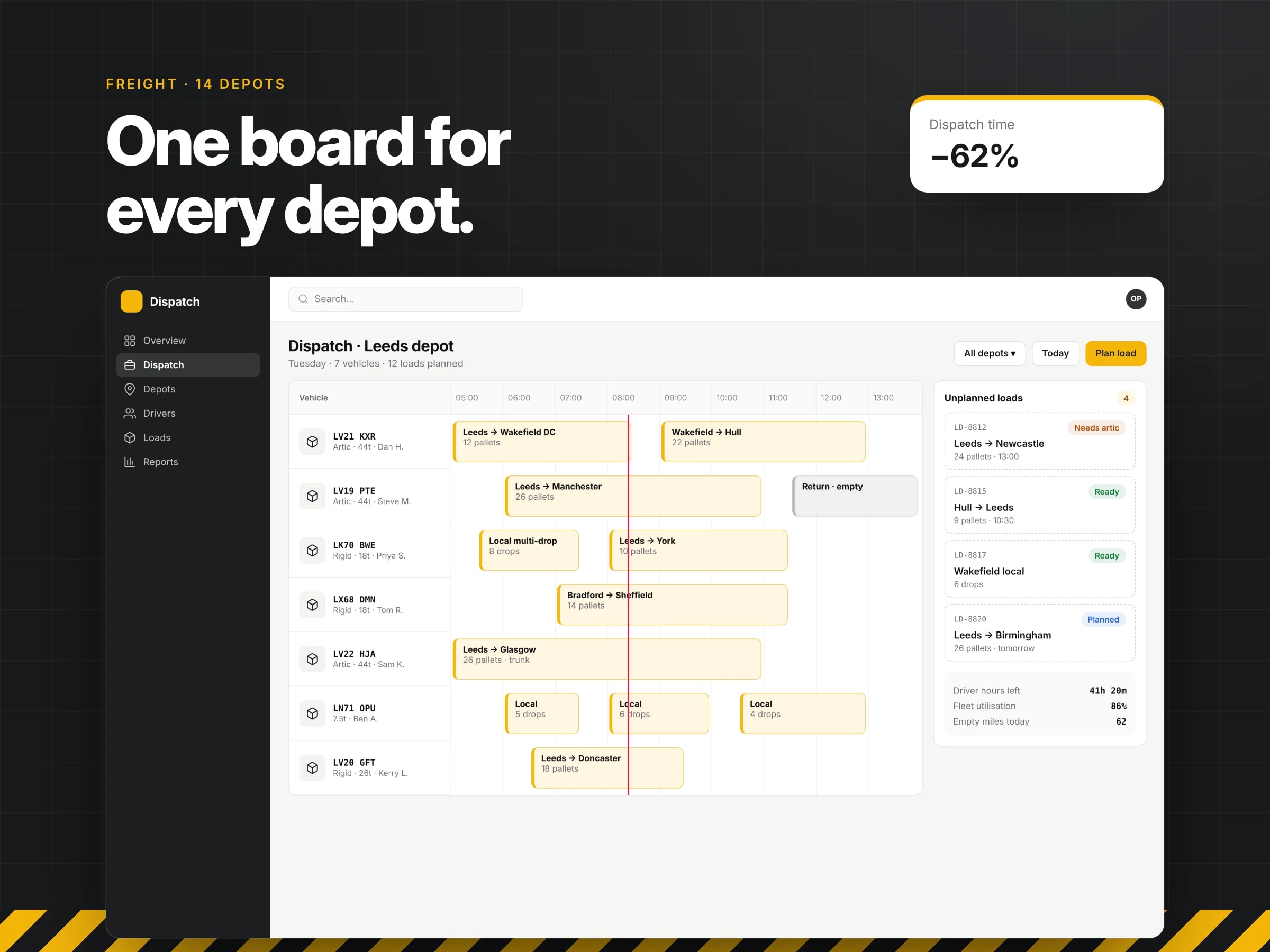
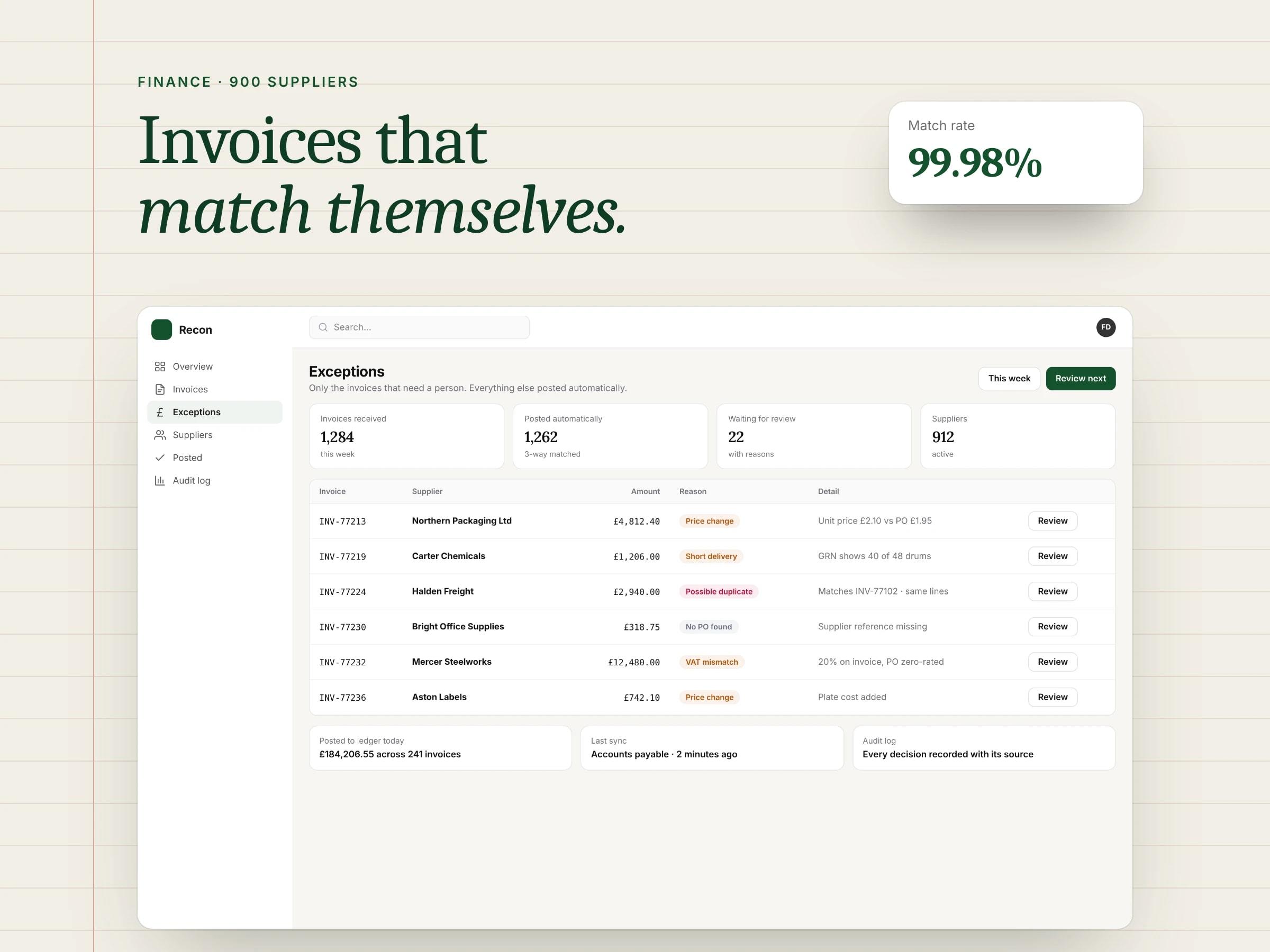
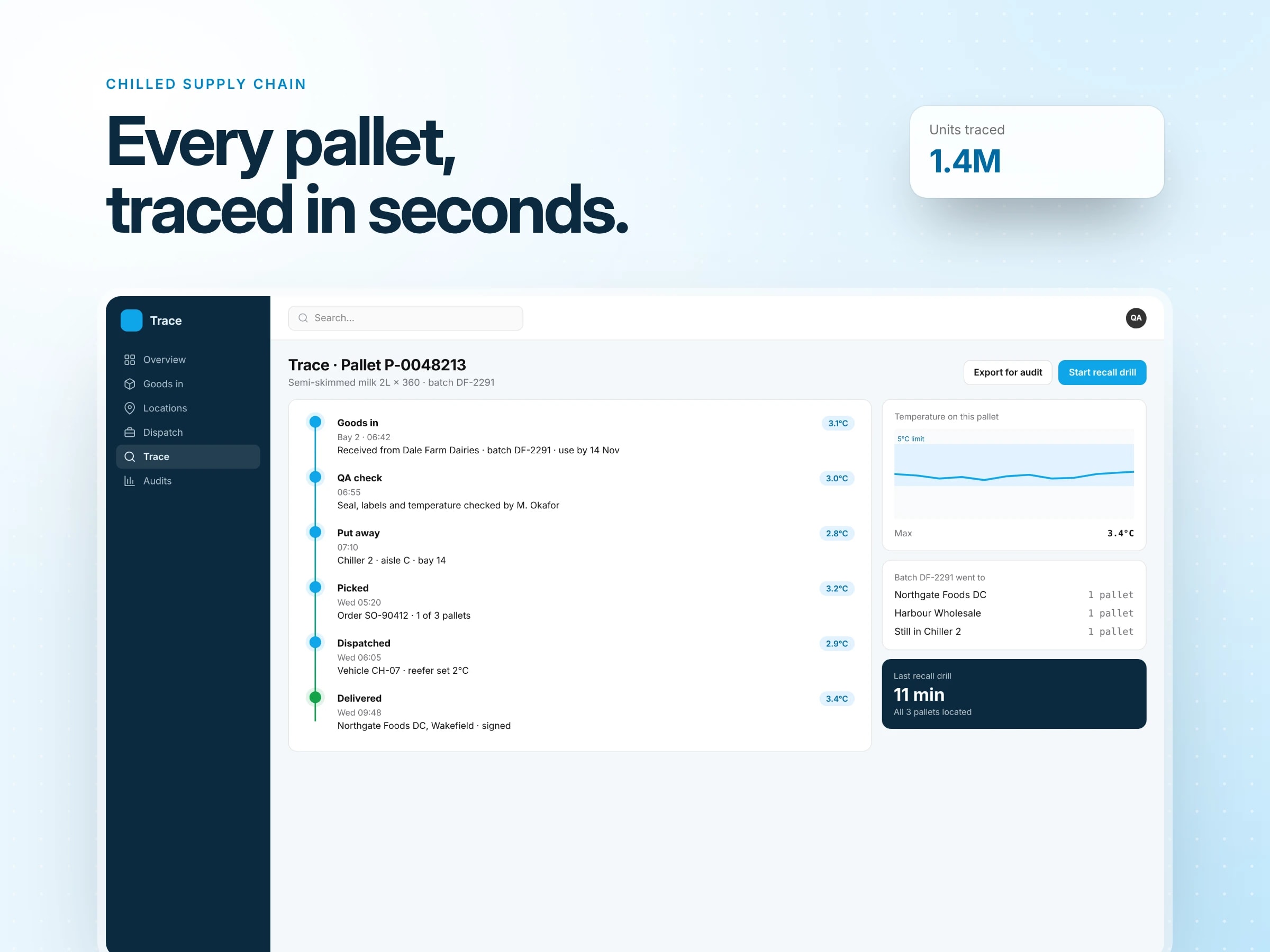
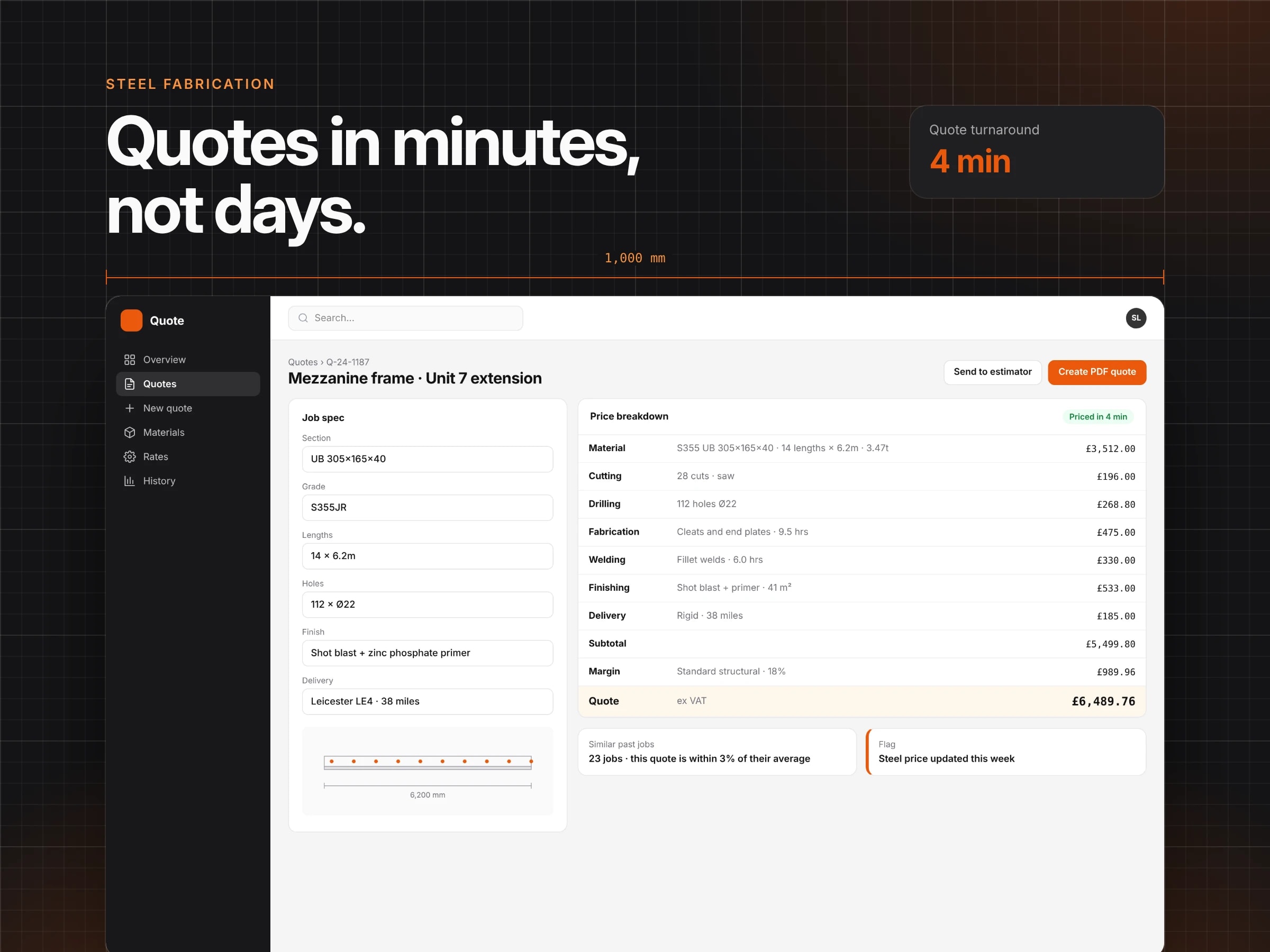
Every card is a build we shipped and still support. Open one for the decisions behind it.
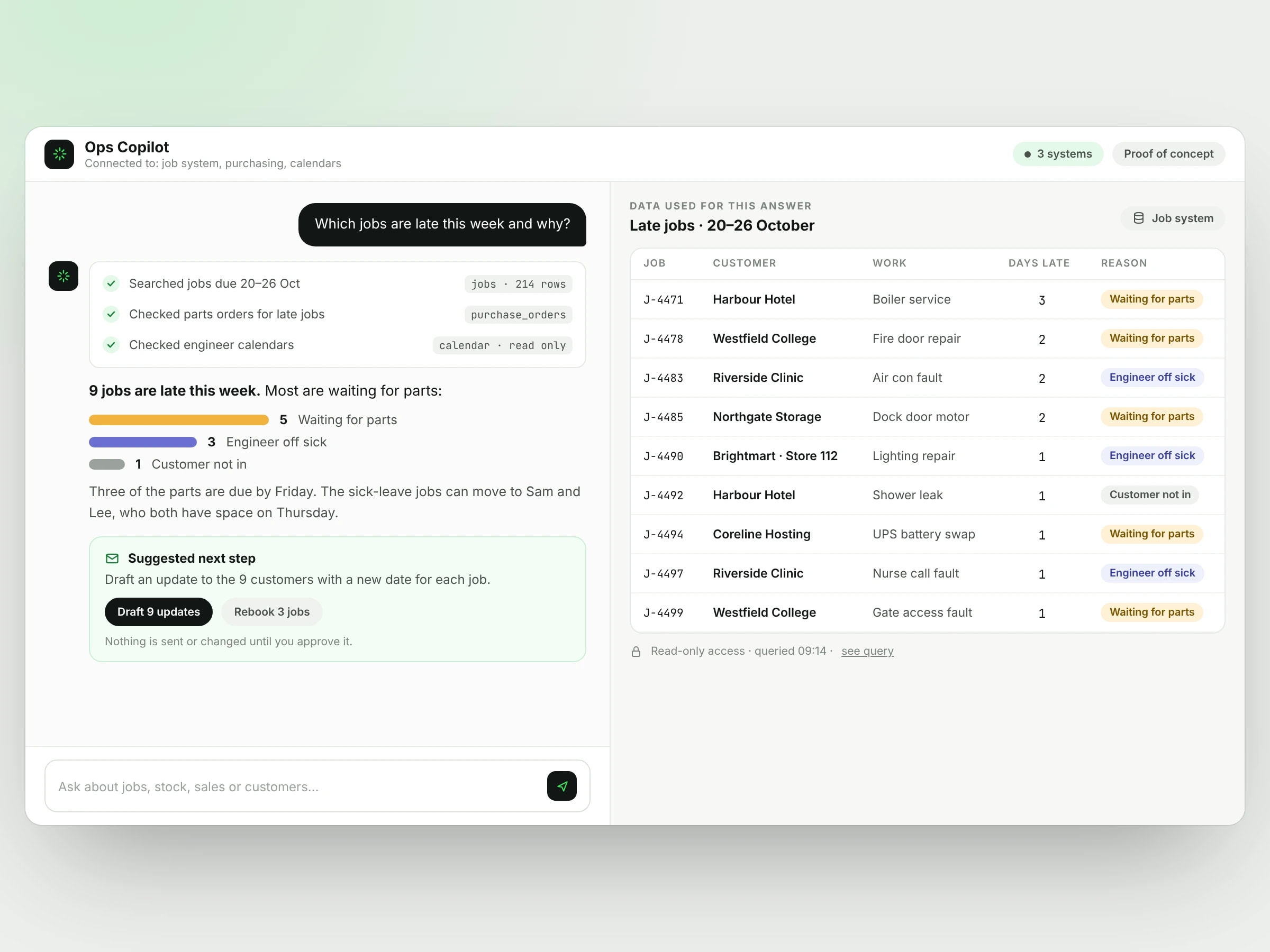
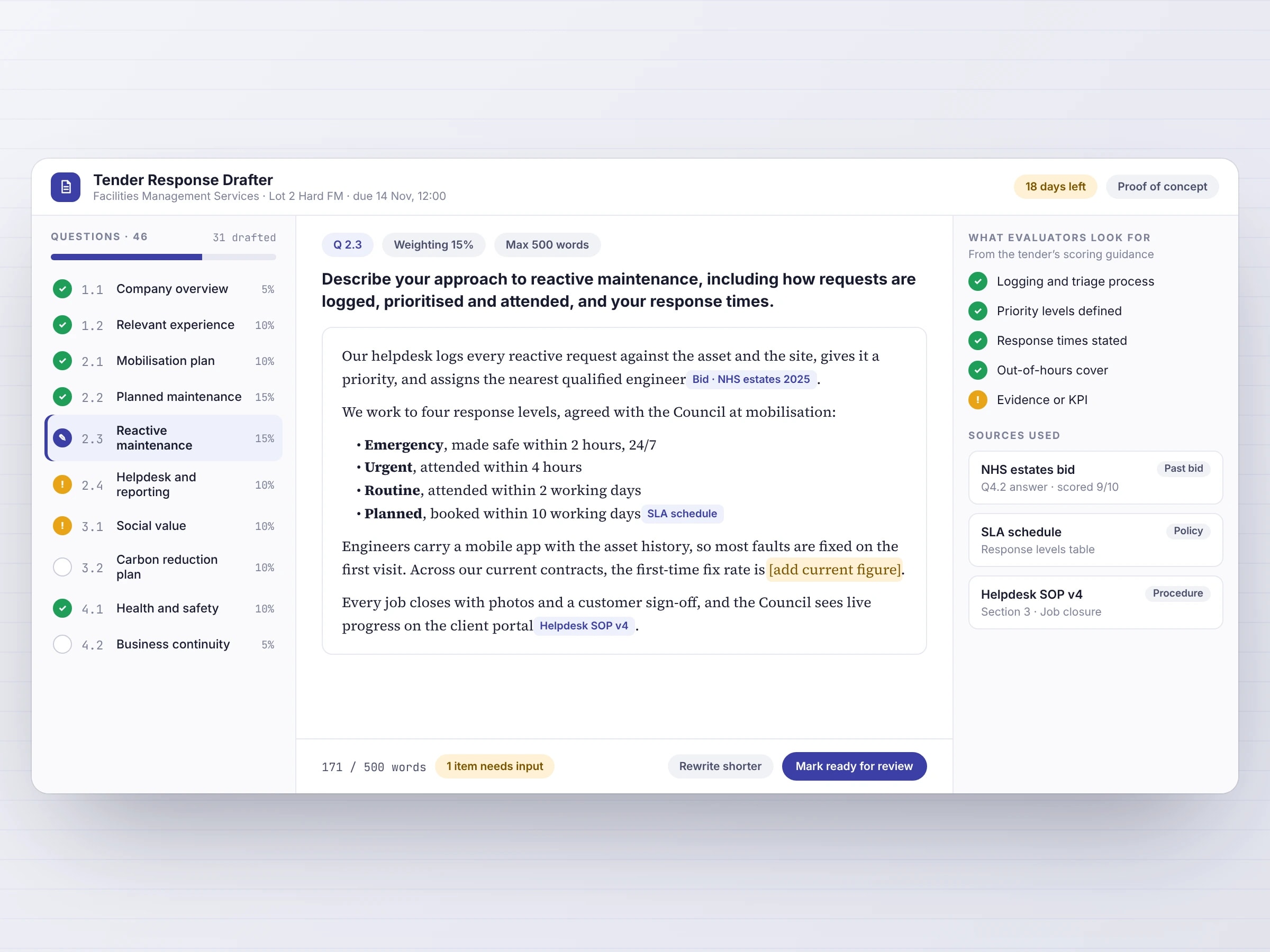
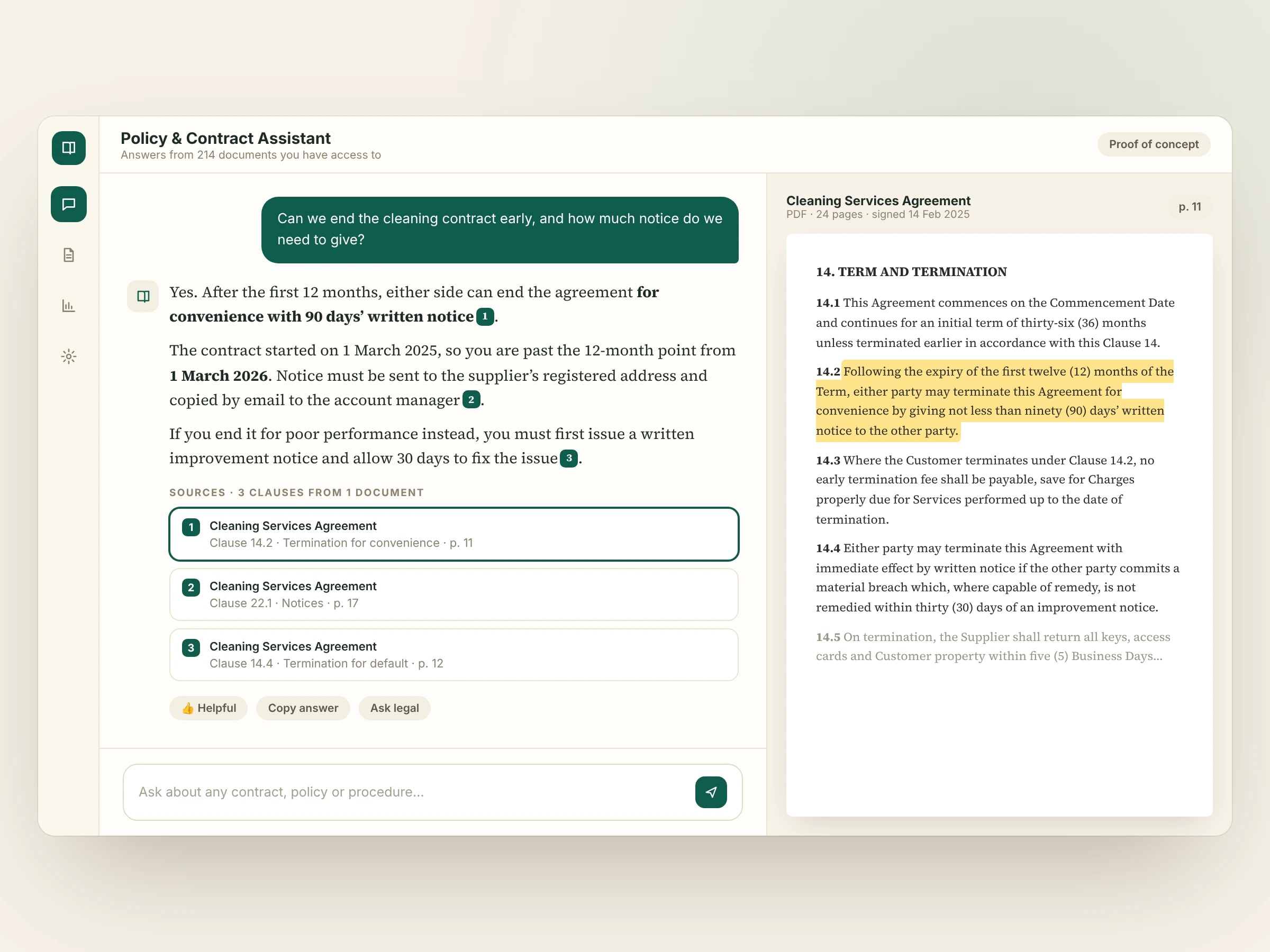
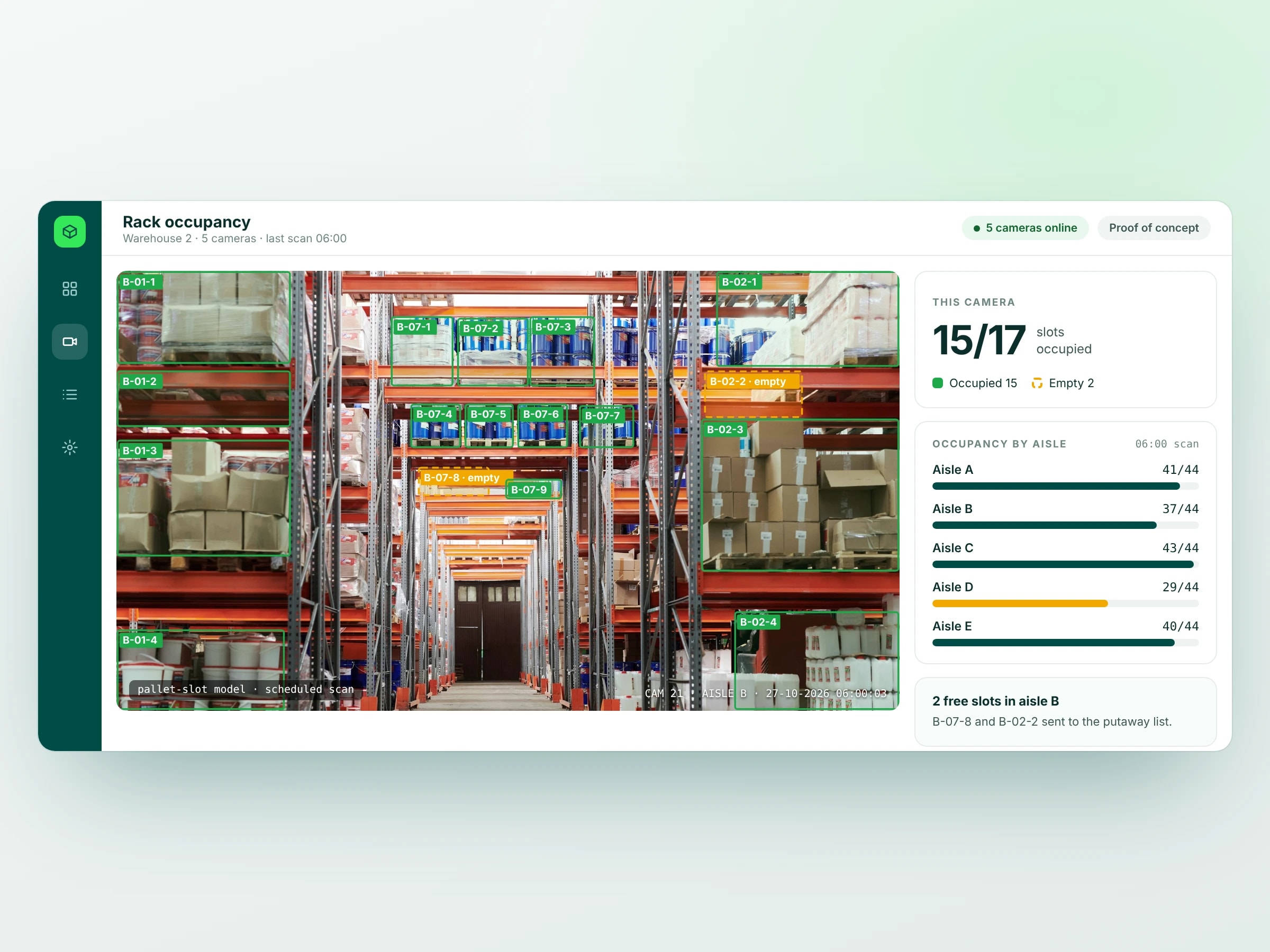
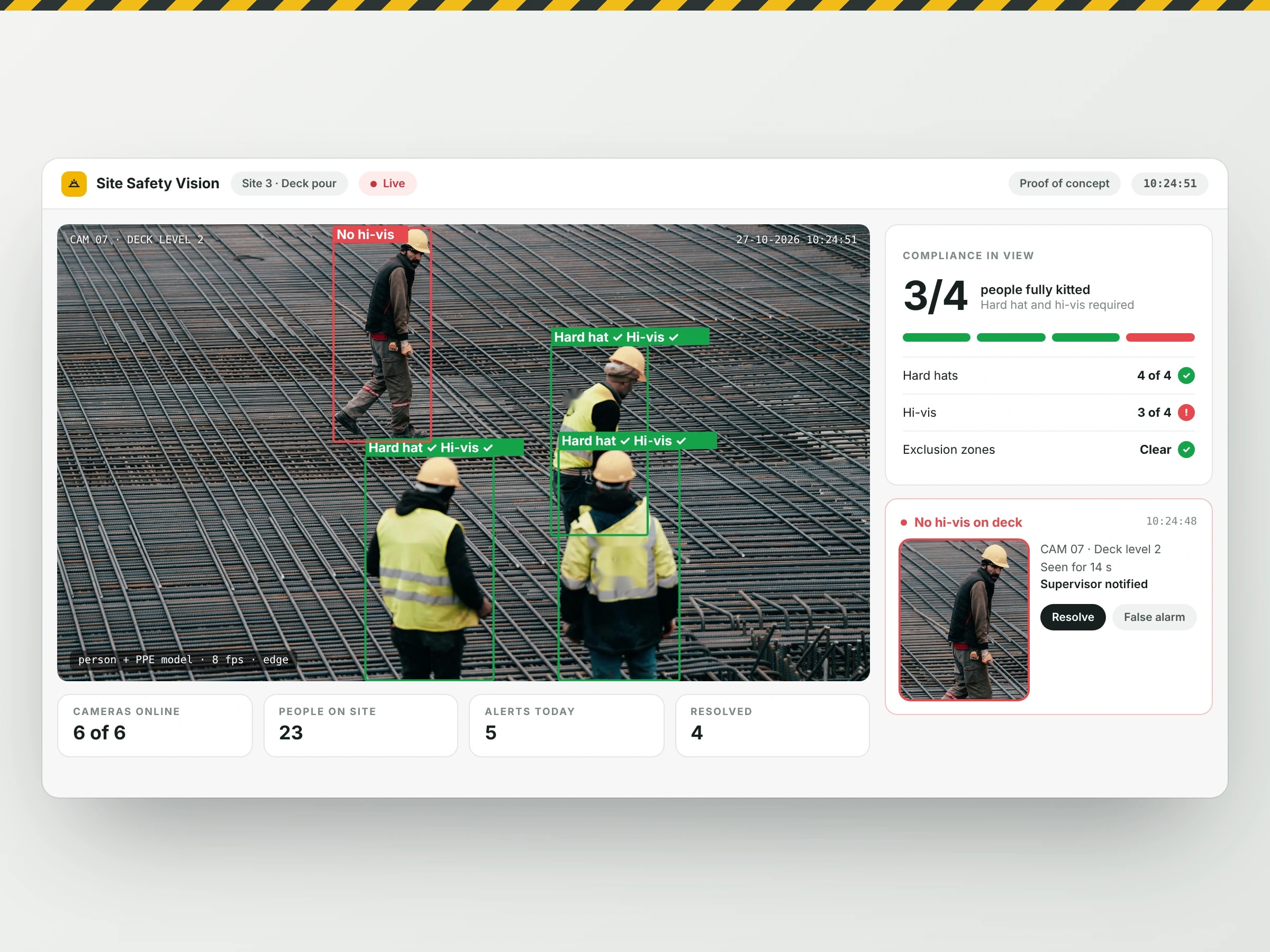
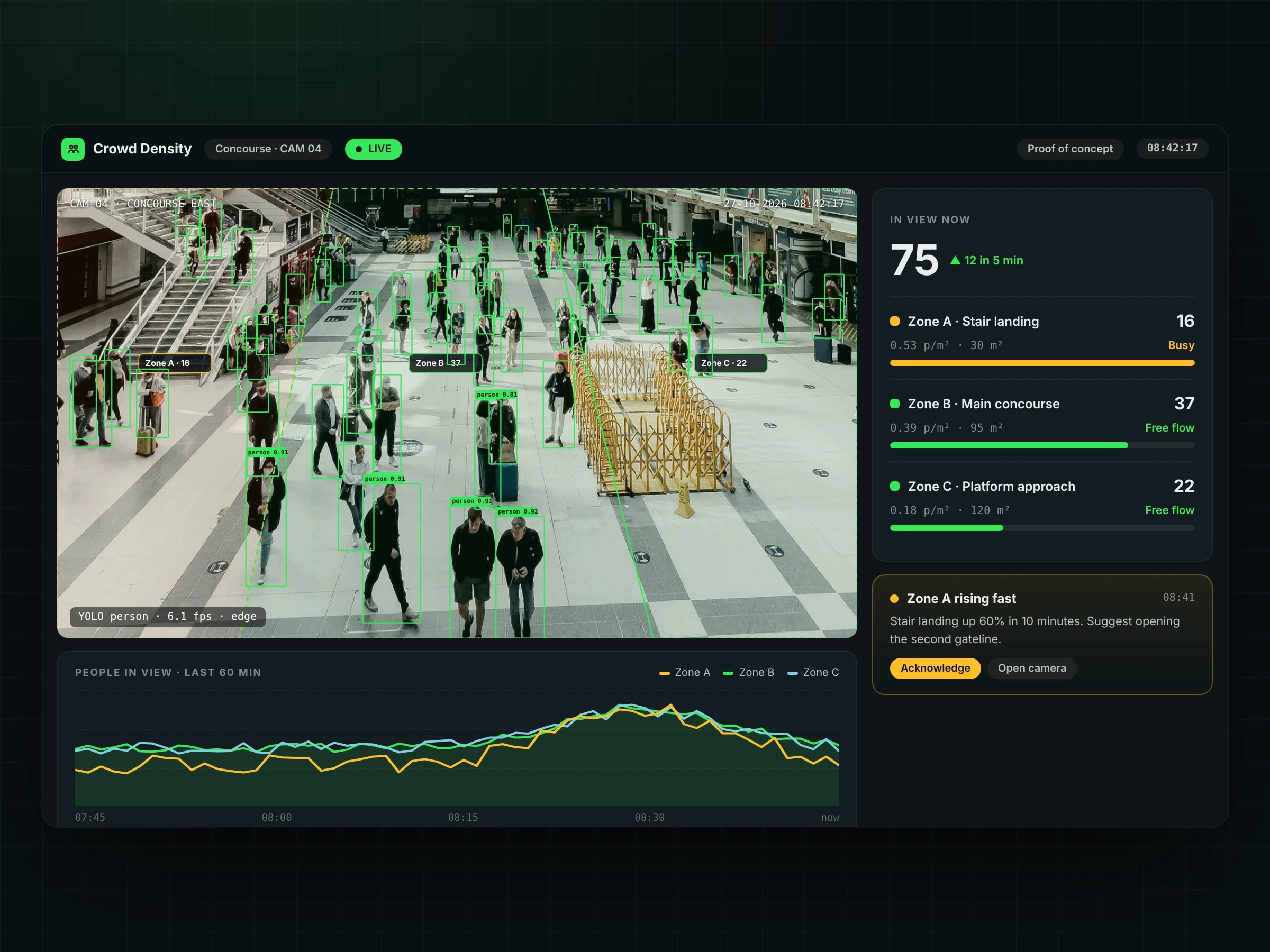
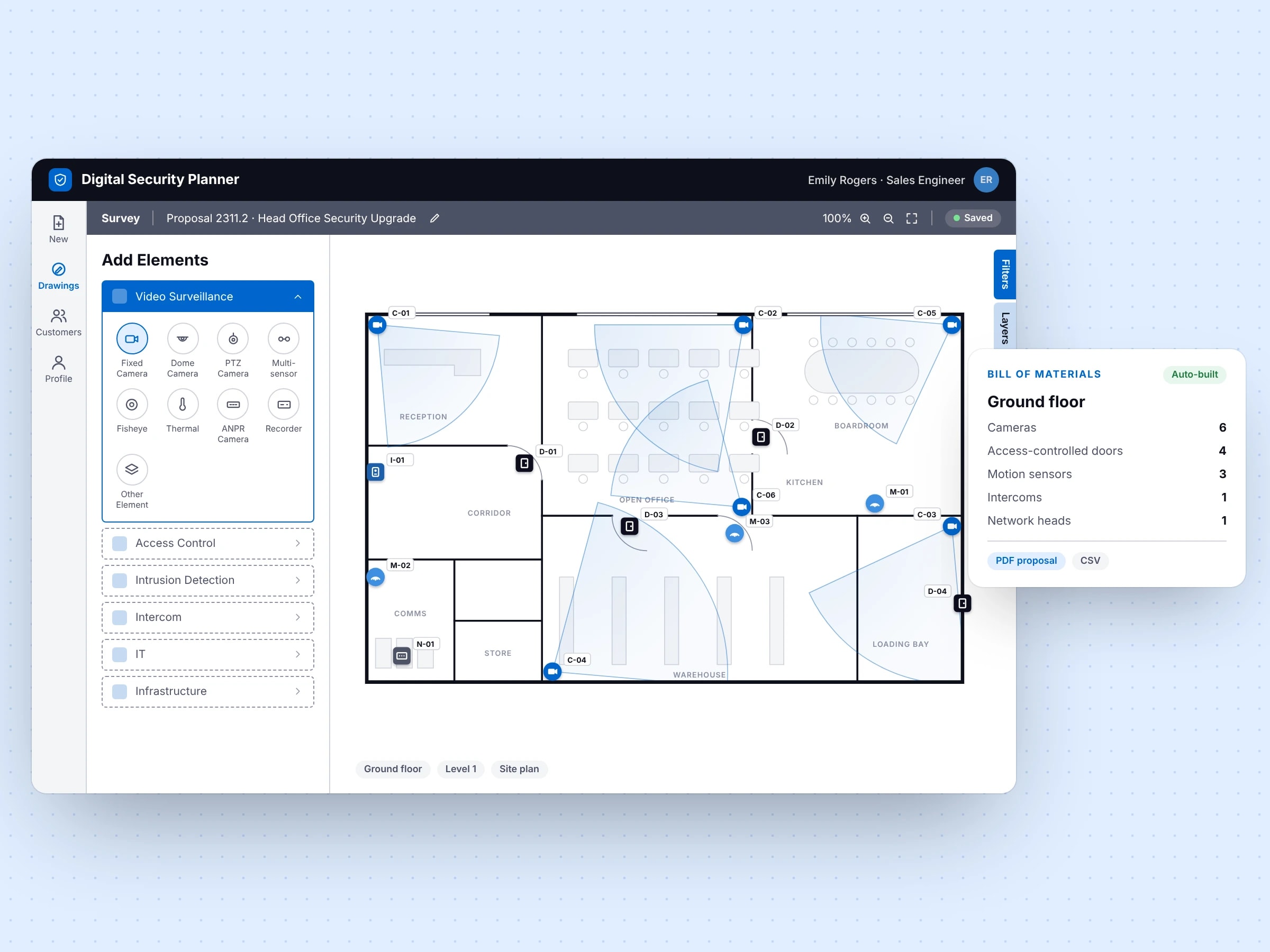
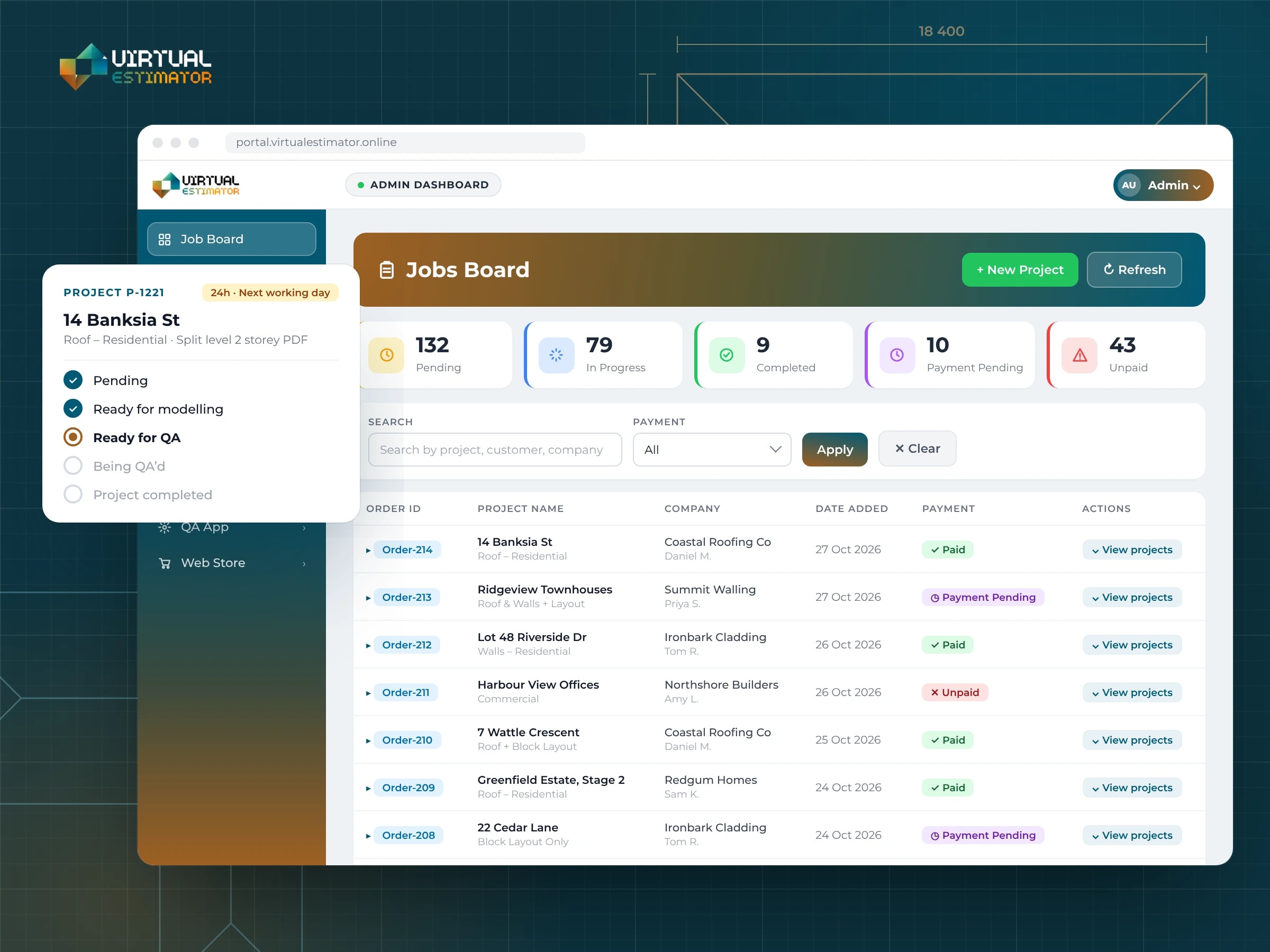
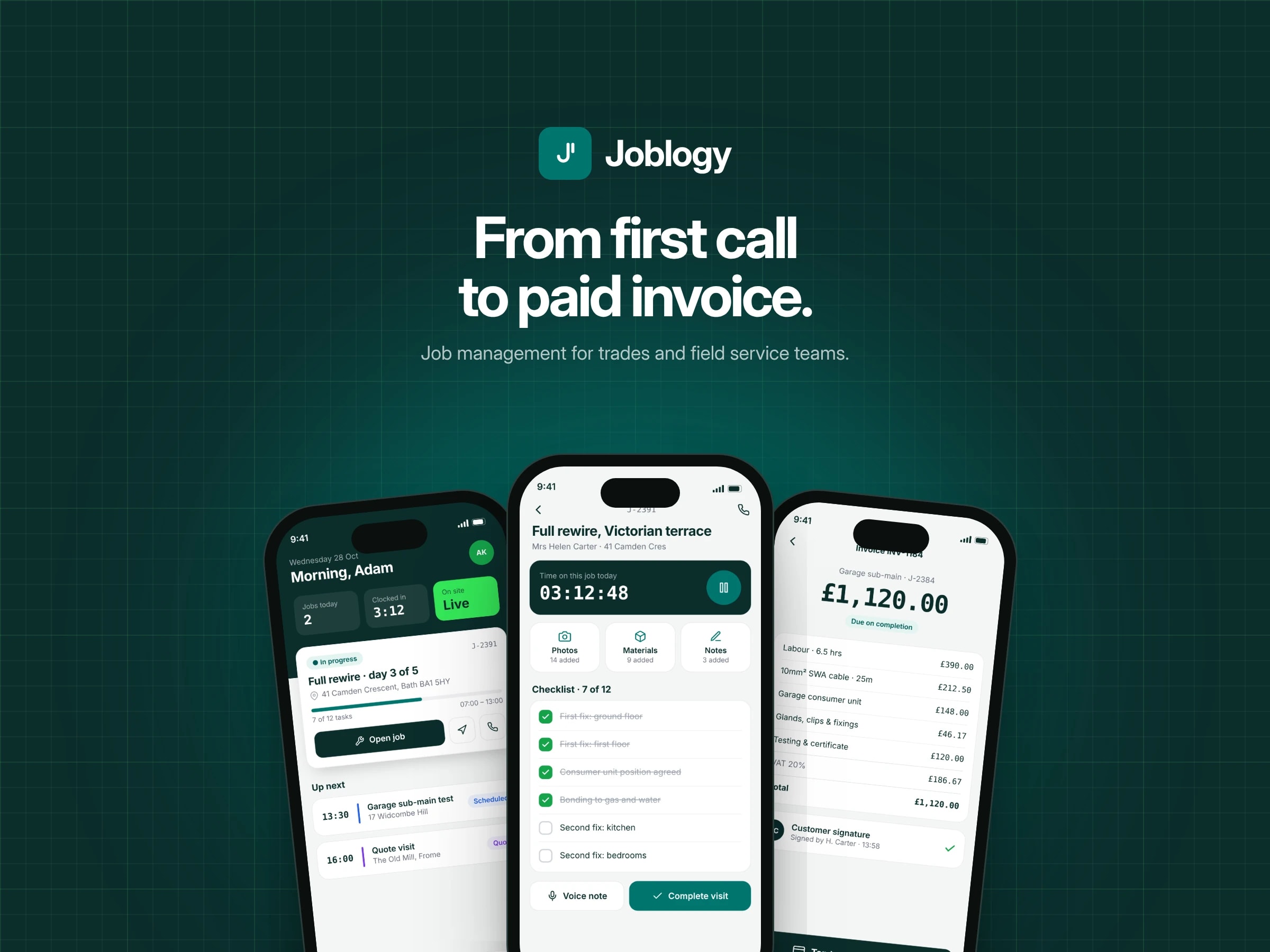


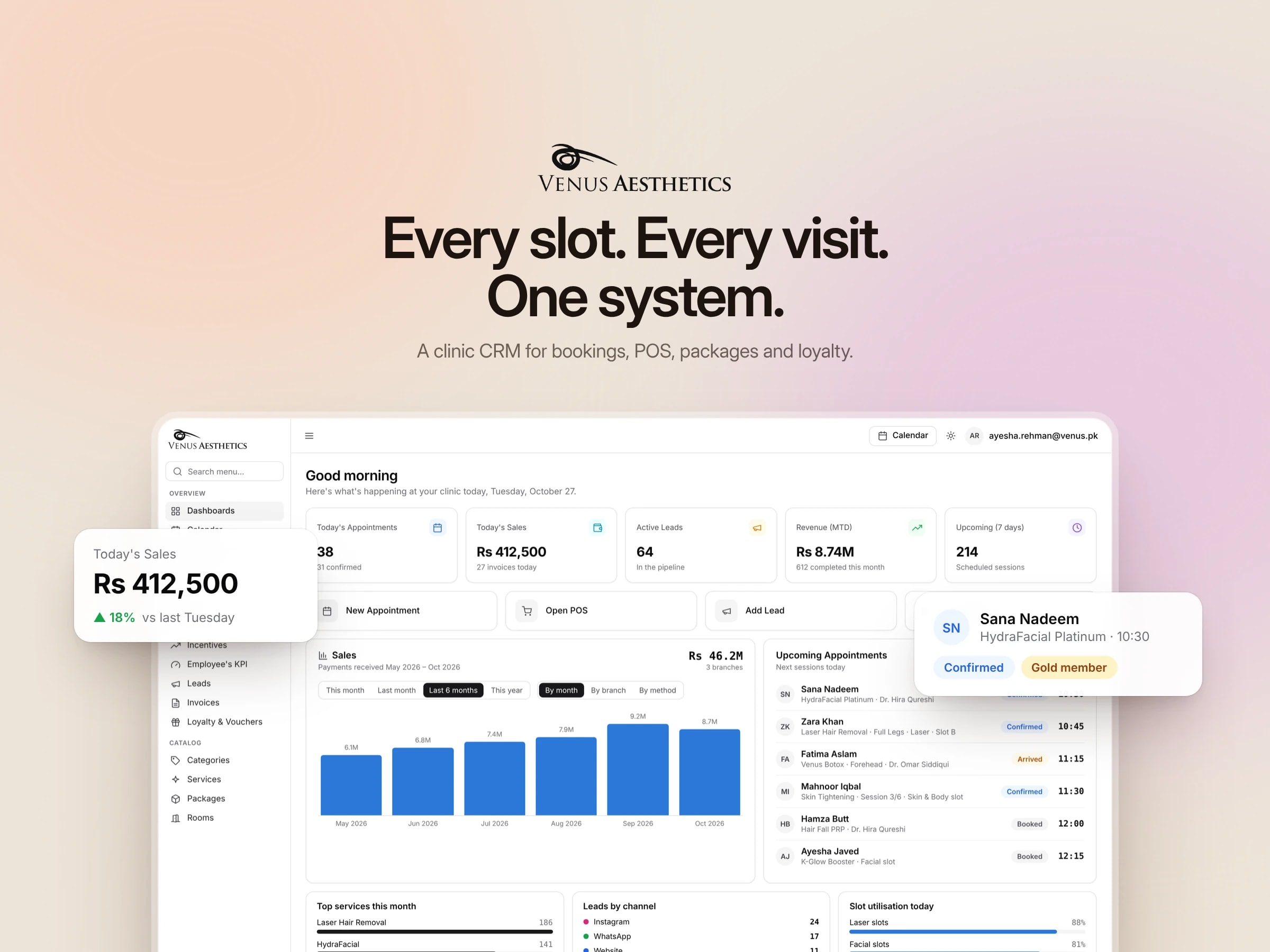
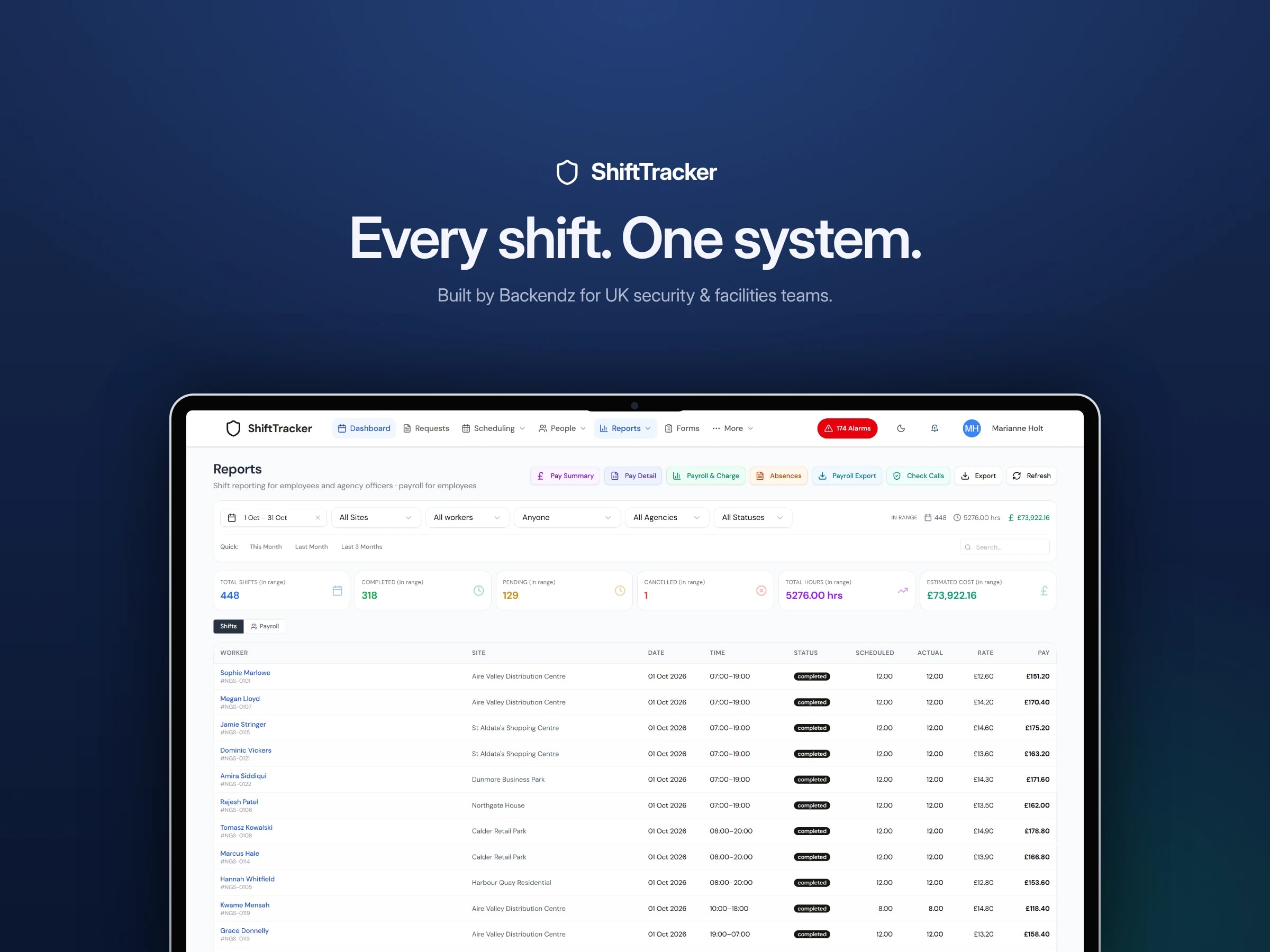
What falls inside this service. Nothing here is an upsell discovered later.
The sequence matters more than the label. Skipping the first one is how projects in this area go wrong.
We sit with the people doing the manual steps and count them. The expensive ones are rarely the ones management expects.
Operations directors, CTOs and plant managers — the ones still using the system a year after the invoice cleared.
 Freight operator · 14 depotsFreight operator · 14 depots
We wanted answers our team could check against the original document. Having the relevant clause beside the response makes the assistant useful when reviewing policies and contracts.
Our rental journey had to work for both vehicle owners and travellers. Backendz brought listings, availability and bookings together into a platform that feels straightforward to use.
A single headcount does not tell us where congestion is developing. The zone-based view gives our team a clearer picture of how people are moving and where attention may be needed.
Tender preparation involves gathering evidence and getting the right people to review each section. Backendz brought those steps into one workspace, with drafts our team can check and approve.
Our estimating process needed to reflect how we actually price work. Backendz took time to understand the inputs and rules, then built a quoting journey our team could review and refine.
 Thomas MitchellManaging Director at Ridgewell Roofing & Cladding
The team took time to understand how our staff work between appointments. The resulting system brings scheduling and client information together without making the day more complicated.
We could review working features throughout the build and give specific feedback. That made it easier to keep the product focused on the people using it.
Our field team needed access to job details away from the office. The mobile workflow keeps the relevant information close at hand and gives the office a clearer view of progress.
We wanted a client portal that reflected how we deliver our services. Backendz brought documents, requests and progress updates into a straightforward experience for clients and staff.
Our teams were entering the same information into several tools. Backendz mapped the process with us and built a more connected workflow with clear review points.
We needed scheduling, availability and shift changes in one place. Backendz shaped the system around the way our operations team works and stayed involved after launch to help us refine it.
Ask for references and we will put you on a call with the team that runs the system — not a case study PDF.
References available on request
We wanted a practical way to review PPE and safety-zone events using our existing cameras. The team focused on the situations our site managers need to investigate and made the footage easier to review.
The priority was a counting workflow our warehouse team could use during a normal shift. Backendz connected image-based counts with the records we already use and made discrepancies easier to review.
Our information was spread across several operational systems. Backendz designed a clearer way to ask questions, inspect the supporting evidence and keep approval with our team before an action is taken.
The reconciliation workflow gives our finance team one place to review mismatches and supporting records. We can trace an exception back to its source and decide what needs attention.
We had outgrown the spreadsheets that held our pricing rules. Backendz helped turn that knowledge into a quoting tool we can maintain and explain to new colleagues.
Connecting our sales and inventory systems was the priority. The integration gives our team a clearer view of updates and a practical way to investigate records that need review.
The cloud work started with understanding our existing systems and dependencies. The team documented the setup and gave us a clearer basis for monitoring and ongoing maintenance.
The engineers worked alongside our team and explained their decisions clearly. Code reviews and practical documentation helped us stay involved throughout delivery.
5 yrs
In production
We quote fixed and we hold it

2
Platforms run in-house
45
Services, one team
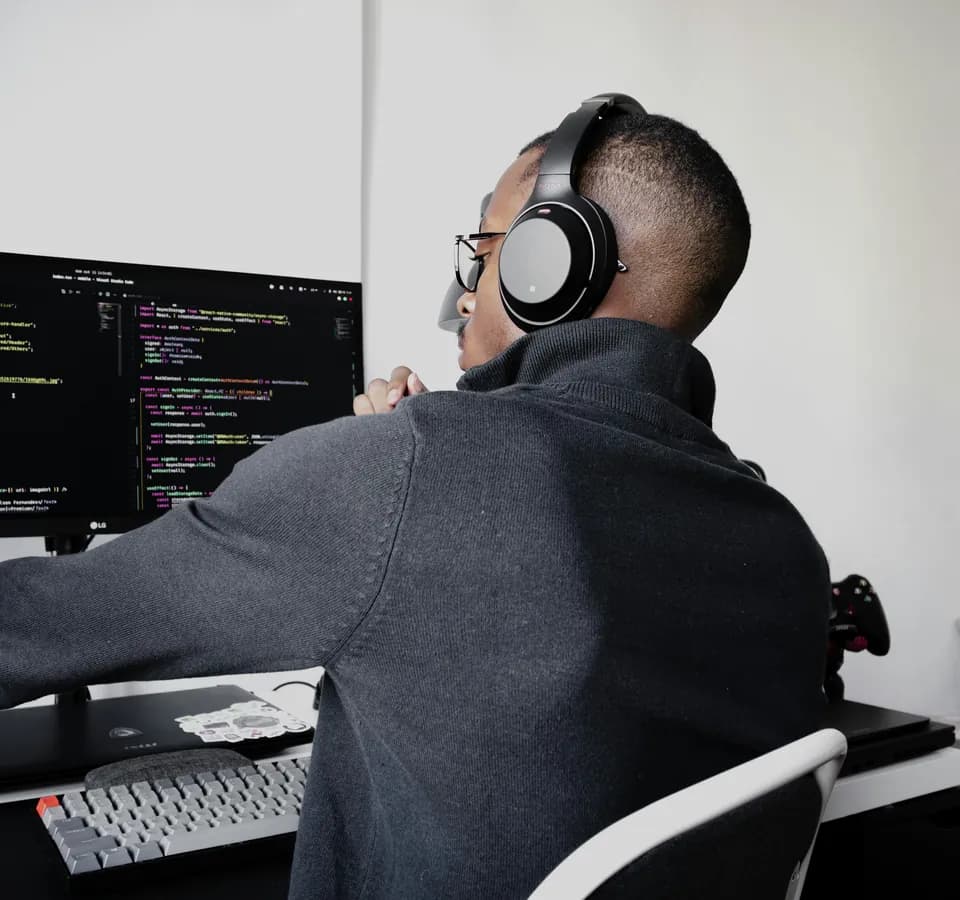
Senior engineers, not account managers
24/7 production support and monitoring
The things people ask before they commit.
Ask it on the call. We would rather answer an awkward question early than discover it in month three.
Book a callSometimes, and we will recommend it when it fits — low volume, simple mapping, failure that a human will notice anyway. They get expensive and fragile once you need real error handling, high volume or complex transformation, and that transition point arrives sooner than most teams expect.
There is nearly always a route: a database view, a file drop, a scheduled export, or a headless browser as a last resort. We are explicit about which we are using and how fragile it is, so the risk is a known one rather than a surprise after a vendor update.
Because it tells you. Every flow we build reports success, failure and volume, with alerts to a named owner and a reconciliation report where both systems should agree. Silent failure is the specific thing we design against.
Versioned interfaces and a contract test that runs on a schedule, so a breaking change surfaces as a failing test rather than as missing orders. Where a vendor gives no notice, monitoring catches it the same day.
In our experience it moves them off the rekeying and onto the exceptions, which is where they were useful anyway. It is worth being straight with the team about that early — automation done quietly gets resisted, and they know the edge cases you need.
Individually, fast — most single integrations are weeks, not months, and the audit gives you hours-saved figures before you commit. The larger integration-layer work takes longer and is usually justified by fragility rather than hours.